Real estate investment is a long-term strategy, and those buying assets today are essentially betting on Cyprus’s future as an established regional leader. By the mid-2030s, the island’s image will be defined not only by tourism but also by three fundamental pillars: energy independence, its status as the “European Silicon Valley,” and global changes in transport logistics.
Contents
Energy Sovereignty: The Natural Gas Factor
One of the main drivers of the island’s capitalization over the next 10 years will be the monetization of gas fields in Cyprus’s exclusive economic zone (the Aphrodite, Calypso, and Glafcos blocks). The transition from exploration to industrial production and export will radically alter the country’s GDP structure .
For the real estate market this means:
- Influx of highly paid specialists: The creation of thousands of jobs in the oil and gas sector will require high-quality infrastructure, housing, and class A+ offices.
- Lower Cost of Living: Owning your own gas will significantly reduce the cost of electricity production, lowering operating costs for homeowners and making energy-intensive businesses more profitable.
- Infrastructure Investments: State gas revenues will be redirected to the construction of new roads, modern medical centers, and educational clusters.
Tech Residency: Cyprus as a “Tech Island”
The government’s strategy to attract international IT giants is already bearing fruit, but by the 2030s, we’ll see the emergence of a fully-fledged ecosystem. Cyprus will no longer be just a destination for office relocation; it will become a birthplace of unicorns.
The emergence of major technology hubs in Limassol and Larnaca will create a strong demand for smart housing. Traditional apartments will give way to residences with co-working spaces, high-speed internet as standard, and networking areas. Neighborhoods adjacent to new innovation parks will undergo profound gentrification, transforming into luxury communities for the “digital elite.”
New geographic growth points
While Limassol has been the dominant centre for the last 20 years, the next decade will see a decentralisation of profits:
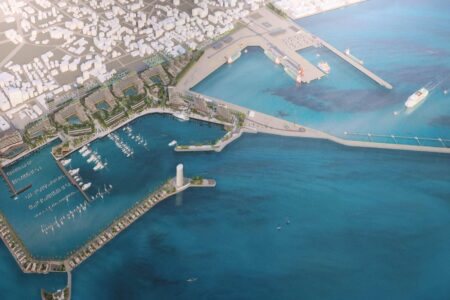
- Larnaca: With the completion of the new marina and port project, Larnaca will finally shed its image as a “transit city” and become Limassol’s main competitor for investment in commercial and residential real estate.
- Paphos: Development as an educational and cultural hub (due to the expansion of universities) will make Paphos attractive for long-term investment in student housing and apartments for smart workers.
- West Limassol: The area around Europe’s largest casino resort, City of Dreams Mediterranean, will be transformed into a fully-fledged entertainment and residential cluster, comparable in infrastructure to the world’s best resorts.
Sustainable development and climate adaptation
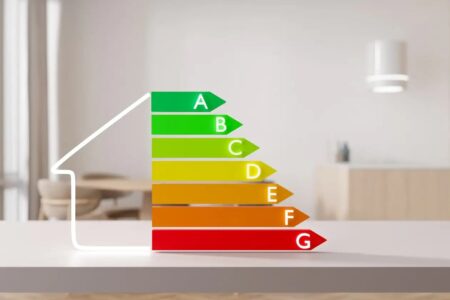
The future of the real estate market is inextricably linked to the green agenda. Buildings that don’t meet strict environmental standards will become unmarketable by 2035. Solar energy, water recycling systems, and the use of local, sustainable materials will become the standard, not an option. Cyprus has every potential to become a testing ground for technologies for autonomous living in arid climates.
Final verdict for the investor
Cyprus is outgrowing its “resort island” image and becoming a modern, high-tech state with a diversified economy. The main risk for investors during this period is mental inertia. Old approaches (“buy any apartment by the sea and rent it out to tourists”) will yield increasingly diminishing returns.
Those who prioritize quality, technology, and locations linked to new economic hubs (ports, gas terminals, IT parks) will win. The Cyprus of the future is a safe, sunny, and efficient base for global business and life, and the value of land in this unique Mediterranean location will only increase.