The Cyprus commercial real estate market is experiencing an unprecedented transformation, driven by the mass relocation of international technology and financial companies. While the residential sector traditionally attracts private investors, the commercial space segment is becoming a priority for institutional capital. The primary driver of growth is the acute shortage of modern office space that meets international environmental and technological standards. Limassol and Nicosia lead the list, demonstrating stable rental growth and minimal vacancy rates.
Contents
A office shortage and the demands of modern business
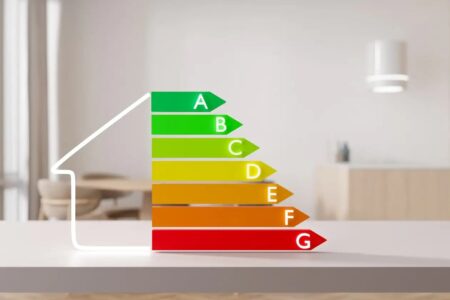
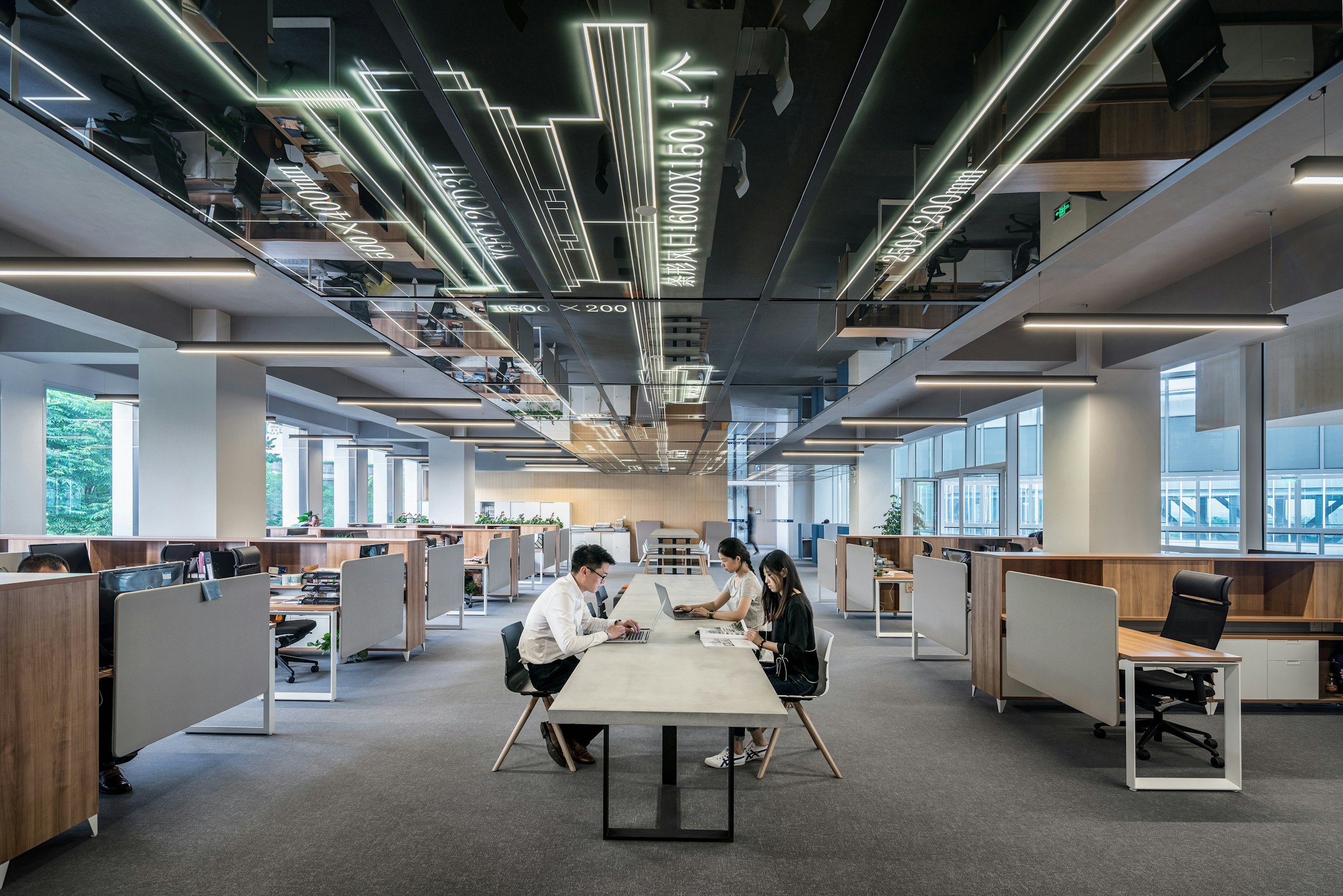
Modern corporations choosing Cyprus as their headquarters place high demands on the quality of their workspaces. A Class A office today is not just a building in the city center, but a complex ecosystem. Key requirements include energy efficiency of at least Level 1, modern ventilation systems with air recovery, high-speed communication links, and sufficient parking. The latter factor is critical for Cyprus, where at least 40 parking spaces are often required per 100 employees.
Investors investing in the construction of such properties are targeting yields ranging from 6 to 9% per annum. This is significantly higher than in most European capitals, where commercial real estate yields often do not exceed 3 or 4%. Importantly, leases in this segment are typically long-term—5 to 10 years—providing investors with predictable cash flow and protection from market volatility. Meanwhile, the price per square meter in office centers under construction in Limassol has increased by 20% over the past two years.
Retail Transformation: From Traditional Stores to Conceptual Spaces
The retail real estate sector is also adapting to new economic realities. Traditional retail is giving way to conceptual spaces that combine shopping, dining, and entertainment. Investors are focusing primarily on two formats: large shopping centers (malls) and street retail in new luxury residential complexes. The emergence of giants like City of Dreams in Limassol is setting a new bar for retail space targeting tourists and affluent residents.
The investment appeal of retail space on the ground floors of high-rise buildings is driven by guaranteed pedestrian traffic and the prestigious location. Such properties are often sold at the foundation stage, as brands seek to secure prime locations two or three years before the building’s completion. Returns in the retail segment can reach 7% or 8% per annum, while the cost of managing such assets is lower than in the office sector, as many maintenance costs are borne by the tenant under Triple Net Lease contracts.
Legal and tax aspects of commercial property ownership
Purchasing commercial real estate in Cyprus offers a number of tax advantages, particularly for resident companies. VAT of 19% is refundable when the property is used for taxable commercial activities. Furthermore, owners can take advantage of accelerated building depreciation rates (usually 3 or 4% per year), allowing them to legally reduce their corporate tax base. This makes owning commercial assets through Cypriot structures extremely effective for financial planning.
It’s also worth considering the non-domiciled status for foreign investors, which allows for tax optimization on dividends received from rental business profits. However, investors must carefully verify the availability of all operating permits (Final Certificates) and the property’s compliance with fire safety regulations. Due diligence should include an analysis of all encumbrances and verification of the intended use of the land, as rezoning a plot from residential to commercial use can take 12 to 24 months.
Development prospects and new technology hubs
A look into the future of commercial real estate in Cyprus is impossible without considering the development of technology parks and business incubators . The government actively supports the creation of “innovation zones,” where companies receive additional incentives. This creates demand for specialized facilities, such as data centers , laboratories, and coworking spaces. Demand for office space in Nicosia is expected to grow by another 15% over the next five years, as the capital positions itself as an academic and administrative center, while Limassol will remain a financial and logistics hub.
For investors, commercial real estate in Cyprus is a strategic asset, allowing them to diversify their portfolio and protect capital. The island’s economic growth, which exceeds the EU average, and a steady influx of international business ensure that high-quality commercial space remains in short supply. The key to success here is choosing the right location and focusing on properties that meet the highest quality standards, as these are the ones that ensure maximum occupancy and growth rates.