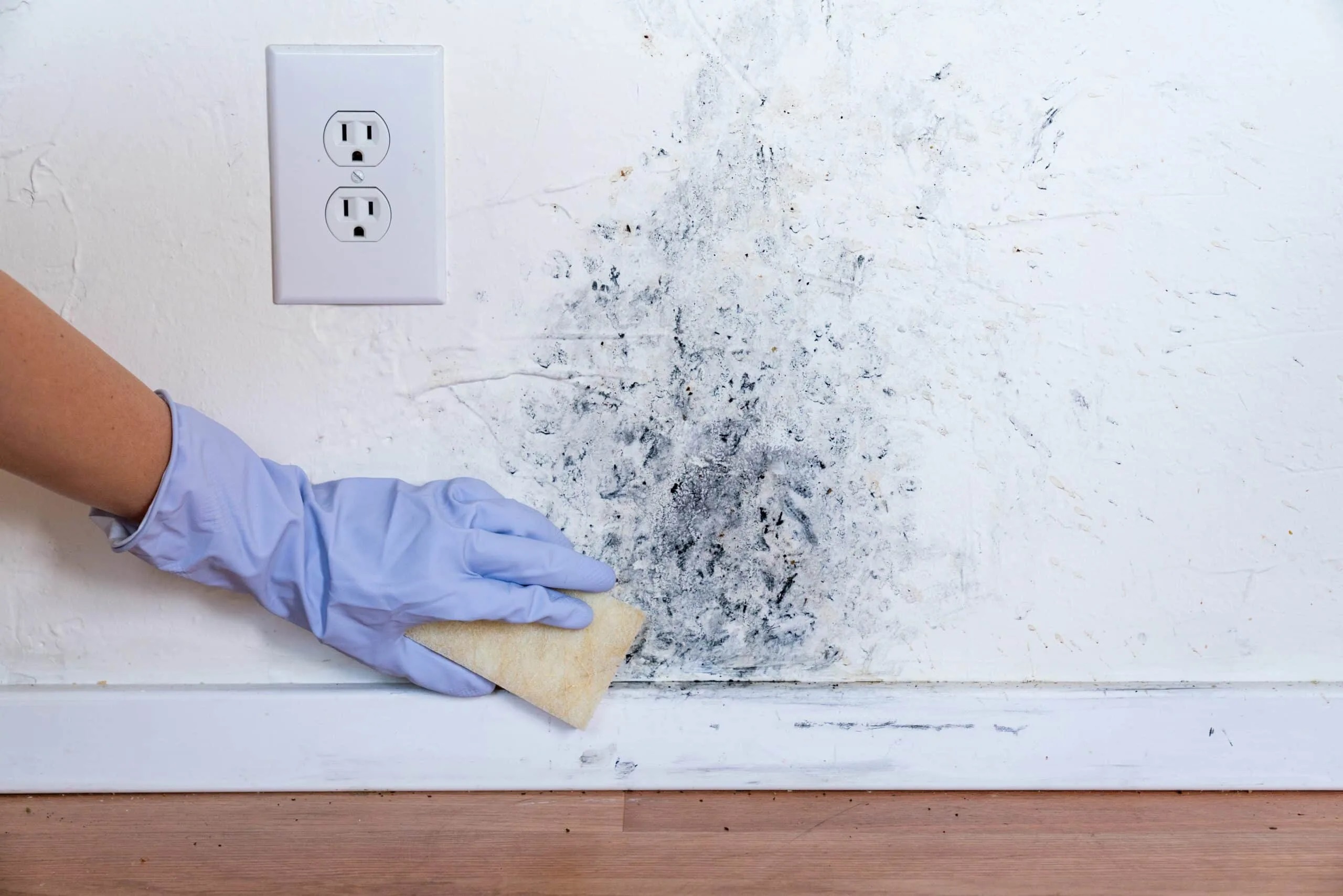
Investing in Cyprus real estate in 2026 requires a thorough understanding of the island’s climatic conditions. High humidity levels, reaching 75–85% in the coastal areas of Limassol and Paphos during winter, are a critical factor affecting the durability of structures and the health of residents. Failure to adhere to waterproofing and ventilation standards during construction leads to the development of black mold (Aspergillus niger) after just one or two seasons of use. A professional approach to engineering solutions ensures not only comfort but also the preservation of the property’s market value.
Contents
- 1 The specifics of the Cypriot climate and the causes of mold
- 2 Modern waterproofing systems for foundations and roofs
- 3 The evolution of ventilation systems: from breezers to recuperators
- 4 Comparison of the effectiveness of moisture protection systems in 2026
- 5 Underfloor heating as a humidity control tool
- 6 Legal and financial aspects when choosing systems
- 7 FAQ: Frequently Asked Questions
The specifics of the Cypriot climate and the causes of mold
The main problem facing both older buildings and affordable new construction in Cyprus is the lack of a systematic approach to dew point management. In 2026, energy efficiency requirements for Class A buildings became mandatory, requiring highly airtight spaces. Without forced air exchange, excess moisture from human activities (cooking, showering) condenses on cold wall surfaces.
Physical processes and dew point
At an indoor temperature of 22°C and a relative humidity of 60%, the dew point is 13.9°C. If external walls do not have sufficient thermal insulation (at least 80–100 mm of expanded polystyrene according to 2026 standards), their interior surface cools to critical temperatures, creating an ideal environment for mold spores.
Modern waterproofing systems for foundations and roofs
By 2026, integrated solutions replacing outdated bitumen mastics will dominate the Cyprus market. Experts recommend using multi-layer protection systems when constructing premium villas.
Waterproofing of foundations and basements
To protect against groundwater, the level of which in the Larnaca and Famagusta areas can be seasonally high, the following are used:
- Crystallization admixtures for concrete (such as systems like Penetron) make the concrete structure watertight at the molecular level.
- PVC and TPO membranes. These materials maintain their elasticity for over 30 years and are resistant to ground movement.
- Drainage systems with automatic pumps for removing rainwater from the foundation perimeter.
Roofing insulation
Flat, walkable roofs are the standard in Cypriot architecture. As of 2026, polyurea or cold-applied liquid polyurethane membranes are used for their protection. These compounds create a seamless coating resistant to extreme UV radiation (UV Index 10+) and temperature fluctuations from 5°C to 45°C.
The evolution of ventilation systems: from breezers to recuperators
Traditional window ventilation is ineffective in Cyprus: in summer, it leads to the loss of expensive cooled air, and in winter, it leads to rapid heat loss. By 2026, heat recovery ventilation (HRV) systems will be the standard for luxury properties.
Advantages of systems with recuperation
The recuperator allows for the recovery of up to 85% of the energy in the exhaust air. In winter, it warms the supply air using the heat from the exhaust air, preventing the two airflows from mixing. This ensures:
- Constant humidity level within 45–55%.
- Filtration of dust and sea salt, which is critical for people with allergies.
- Reducing the operating costs of air conditioning systems (VRF systems) by 20–30%.
Decentralized solutions
If the facility is already built, wall-mounted recuperators (breathers) are the optimal choice. They can be installed in living rooms in 2-3 hours and provide independent air exchange in each zone.
Comparison of the effectiveness of moisture protection systems in 2026
| Parameter | Traditional Methods (2015–2020) | Innovative solutions (2026) | Impact on operating costs |
| Waterproofing | Bitumen in 2 layers, 50 mm foam plastic | TPO membranes, 100 mm stone wool | Reduce heating costs by 40% |
| Ventilation | Natural (open windows) | Central HRV with CO2 sensors | No mold, clean air |
| Heating | Electric convectors | Water heated floor (heat pump) | Energy metering and storage |
| Control | Manual | Smart Home (IoT) Integration | Real-time humidity optimization |
Underfloor heating as a humidity control tool
Many investors mistakenly believe that underfloor heating in Cyprus is unnecessary. However, in 2026, it is one of the primary methods for combating winter mold. Even heating of the lower part of the room and the walls eliminates cold spots where condensation could form. Using air-to-water heat pumps allows for efficient heating of the home with minimal energy consumption, which is particularly important given the island’s current electricity rates.
Legal and financial aspects when choosing systems
According to the current Cyprus building code (Energy Performance of Buildings Directive), every new building must have an energy performance certificate. The lack of modern ventilation and waterproofing systems reduces the building’s rating to category B or C, making it less attractive for resale or rental to wealthy expats.
The cost of a high-quality ventilation system for a 200-square-meter villa in 2026 ranges from €8,000 to €12,000. This investment pays for itself within 5-7 years through energy savings and the elimination of the need for cosmetic repairs every two years due to mold.
FAQ: Frequently Asked Questions
What humidity level is considered normal for a home in Cyprus?
The optimal range is between 45% and 60%. Above 70%, the risk of mold growth increases dramatically. Modern ventilation systems can automatically maintain this level even with the windows closed.
Can mold be eliminated with dehumidifiers alone?
Dehumidifiers are a temporary solution to correct the consequences, not the cause. They consume a lot of energy and don’t provide fresh oxygen. Without correcting the waterproofing and improving ventilation, mold will return as soon as the unit is turned off.
How much does it cost to maintain a heat recovery system per year?
Routine maintenance includes filter replacement (1-2 times per year) and heat exchanger cleaning every two years. In 2026, a set of filters costs €80-150, while professional service costs €200-300.
At what stage of construction should a ventilation system be installed?
Design should begin at the architectural planning stage. Air ducts are installed before finishing work and suspended ceilings. Integration into the existing interior is possible, but will cost 30-50% more due to the need to dismantle and restore the finishes.
Do antifungal paints help?
Specialized paints contain fungicides that prevent mold growth on the surface for 2-3 years. However, if the wall becomes damp from the inside due to capillary moisture absorption or freezing, the paint will begin to peel off, along with the putty. This is only a supplementary measure and does not replace proper waterproofing.