Investing in seafront real estate is traditionally considered the pinnacle of market strategy in Cyprus. However, in recent years, the standard set of risks—liquidity and legal certainty—has been supplemented by a new, fundamental factor: climate resilience. Global warming, rising sea levels , and increasing coastal erosion are no longer the subject of academic reports but are now directly impacting market valuations. For investors planning to hold assets for 20–30 years, understanding the island’s ecological landscape is becoming critical.
Contents
The Physics of the Process: Why the Shore “Goes Away”
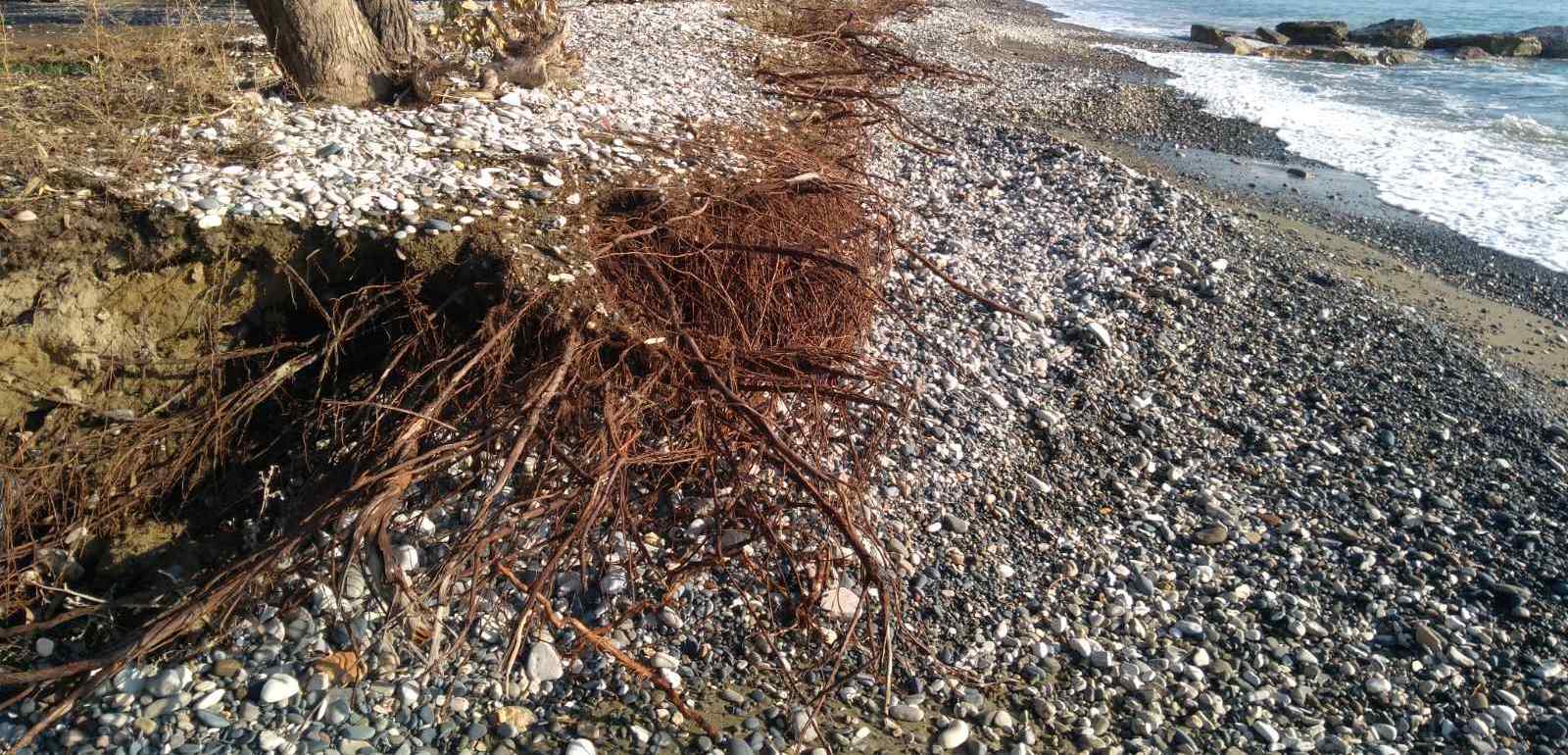
Coastal erosion in Cyprus is not only the result of storm activity but also a consequence of the disruption of the natural sediment balance. The island’s unique characteristics mean that most sandy and pebble beaches historically replenish themselves with alluvial deposits from rivers. The construction of dams and dikes over recent decades has virtually blocked this influx. As a result, the sea takes sand but does not return it.
Areas with soft rock and low-lying terrain are considered particularly vulnerable. At risk are coastal areas in Larnaca (especially in the Oroklini and Pervolia areas), certain segments of Paphos (Peyia and Coral Bay), and the Limassol beaches in the Amathus area. Here, the rate of coastal retreat could range from a few tens of centimeters to a meter per year unless active engineering measures are taken.
Sea level rise scenarios and their consequences
According to projections from the Intergovernmental Panel on Climate Change (IPCC), the Mediterranean Sea level could rise by 30–50 cm by mid-century. While this may seem insignificant, for Cyprus’s gently sloping beaches, every centimeter of vertical rise could mean the loss of several meters of horizontal coastline.
For owners of villas on the first line, this poses three main threats:
- Direct flooding: Temporary during winter storms or permanent for areas below 1-1.5 meters above sea level.
- Soil salinization: Seawater infiltration into groundwater destroys landscaping and gardens, requiring the use of costly desalination for irrigation.
- Loss of infrastructure: Destruction of piers, embankments and swimming pools located in close proximity to the water’s edge.
Financial Pressure: Taxes, Assessments, and Insurance
Changes in the island’s climate map have already begun to be integrated into financial instruments. Insurance companies in Europe are gradually moving to a dynamic premium model, where policy prices for properties in “red zones” of erosion can increase exponentially. In Cyprus, this process is in its early stages, but real estate valuers are already required to consider environmental risks when preparing reports for banks.
A property located on a rocky outcrop will fetch significantly more than a similar home on a low-lying sandy shore, precisely because of the long-term structural stability. Investors are beginning to grasp the concept of “climate depreciation”: if the beach in front of a villa disappears in 15 years, the property’s market value could halve, despite overall price increases in the region.
State measures and protection systems
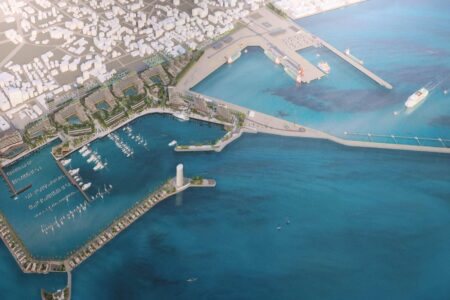
The Cypriot government recognizes the scale of the problem and is implementing a long-term coastline management strategy. Breakwaters are the primary protective tool. We can see their successful operation in Limassol and Larnaca: they dampen wave energy and promote sand accumulation. However, such projects require enormous budgetary investments and take years to complete.
Cyprus also has a strict “Beach Protection Zone” regulation, typically 100 meters from the high-tide line. Within this zone, construction of new permanent structures is prohibited or severely restricted. When purchasing a plot of land, it’s important to check whether the development site falls within the future erosion boundaries, as maps from the Land Registry Office show.
Strategic recommendations for investors
To protect your capital from climate risks, consider the following criteria when choosing waterfront property:
- Altitude: The optimal choice is sites located at least 3-5 meters above the current water line.
- Coastal geology: Rocky bases (limestone, hard rocks) are much more resistant to erosion than sandy or loamy soils.
- Availability of marine protection: Priority should be given to areas where breakwater systems have already been built or are planned to be built in the next 2-3 years.
- Architectural solutions: Designs with pile foundations and protected basements demonstrate better survivability in aggressive marine environments.
The long-term outlook for Cyprus remains positive due to active government intervention and the adaptation of building codes. However, blindly purchasing waterfront property without analyzing the topography and coastal processes is currently an unjustified risk. Investing in coastal security today guarantees the liquidity of your asset tomorrow.