The investment climate in Cyprus underwent a fundamental transformation in 2026 as a result of a major tax reform. For investors seeking passive rental income, a new era of simplification has arrived: the abolition of a number of historical fees has significantly lowered the barrier to entry and simplified operational management. However, along with tax liberalization, the government has tightened its control over payment transparency, making accurate return on investment (ROI) calculations a critical tool for capital protection. In 2026, the gap between the gross yield declared by developers and the actual net profit for owners is due not only to operating costs but also to new tax residency and compliance rules.
Contents
Stamp Duty and SDC abolition: the new reality of 2026
The main event of 2026 for the real estate market was the complete abolition of stamp duty for all documents signed after January 1, 2026. This eliminated additional costs during the registration stage of purchase and sale agreements.
The second change was the complete abolition of the Special Contribution to Defense (SDC) on rental income. Previously, this tax was 3% of 75% of gross income (effective rate 2.25%) and was levied on Cyprus tax residents with Domicile status. Effective 2026, this tax has been abolished for all categories of owners. Rental income is now subject exclusively to income tax (for individuals) or corporate tax (for legal entities), eliminating double taxation. This change automatically increases the net yield of properties by 2.25% of turnover, making the Buy-to-Let strategy more attractive.
Expenses at the acquisition stage: taxes and fees
Despite the abolition of stamp duty, investors must take into account other mandatory payments at the purchase stage, which form the total investment amount.
Value Added Tax (VAT)
In 2026, the standard VAT rate will be 19%. When purchasing real estate for investment purposes (rental purposes), the preferential 5% rate will not apply. This means that when calculating ROI, the property price must include the full 19% VAT, unless you are acquiring a resale property or commercial property through a VAT-refundable structure.
Transfer Fee
When purchasing resale property that is not subject to VAT, a Transfer Fee is paid on a progressive scale (3%, 5%, and 8%, depending on the amount). In 2026, the 50% tax exemption will remain in effect if the property was previously subject to VAT.
Professional support
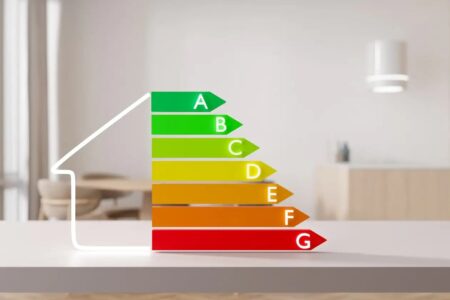
The cost of legal services in 2026 is 1% – 1.2% of the transaction amount. It’s important to note that high-quality due diligence in today’s reality includes not only title verification but also an energy efficiency audit of the building, as property taxes and rental attractiveness will be directly correlated with energy efficiency ratings starting in 2026.
Operating expenses and rent taxation
In 2026, the investor’s net profit (Net ROI) is formed after deducting operating costs and mandatory social contributions.
Health care contribution (GHS/GESY)
Unlike the abolished SDC, the GHS contribution of 2.65% remains mandatory for all property owners receiving rental income in Cyprus. This levy is calculated on the gross rental amount and is not subject to reduction by expenses.
Income Tax (PIT)
In 2026, the tax reform increased the tax-exempt income for individuals to €22,000 per year. This means that investors with a small real estate portfolio may effectively pay no income tax if their total income in Cyprus does not exceed this threshold. For income above this threshold, rates of 20% to 35% apply.
Mandatory electronic payments
As of July 1, 2026, Cyprus has introduced a mandatory requirement for rent payments to be made through traceable electronic channels (bank transfers, cards). Cash payments are prohibited. For investors, this means they must officially declare all income, making it impossible to conceal income while simultaneously simplifying the process of verifying expenses for tax deductions.
Hidden risks and capital depreciation
By 2026, investors should factor in the costs of maintaining high energy efficiency ratings into their financial models. EU directives require regular audits of heating and air conditioning systems. HVAC maintenance costs are approximately €300–€500 per year.
Capital gains tax should also be taken into account when exiting an investment. In 2026, the lifetime tax deduction for property sales was increased to €30,000 per person. This allows for a significant reduction in tax liability when selling a property after 5-10 years of ownership.
FAQ: Frequently Asked Questions
Do I have to pay SDC if I have non-domicile status in 2026? As of 2026, SDC tax on rental income has been abolished for everyone, including those with domestic status. Thus, the advantage of non-domicile status with respect to rental income has been eliminated, but it still provides a full SDC exemption on dividends (which for domiciled individuals are now taxed at a reduced rate of 5% instead of 17%) and interest.
What are the consequences of accepting rent payments in cash after July 1, 2026? Accepting cash payments is a violation of tax laws. This entails penalties for landlords, and for tenants (if they are legal entities), it means they cannot deduct rent payments as company expenses, which increases their taxable base.
Can renovation expenses be deducted from taxable income? Yes, in 2026, individuals can deduct 20% of their gross rental income as a standard deduction for building maintenance and renovations. Additionally, they can deduct interest on the loan taken to purchase the property and depreciation expenses for furniture and appliances (usually 10% per year).
How have the capital gains tax rules changed in 2026? The tax rate remains at 20%, but the exemption limits have been increased. The lifetime exemption on the first sale of real estate is €30,000, and on the sale of a primary residence (provided it has been owned for more than five years), it is up to €150,000. This significantly increases the exit ROI for long-term investors.