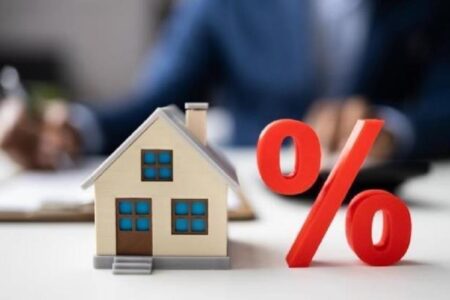
Over the past three years, a significant trend has been observed in the residential real estate market: monthly mortgage payments have become almost equal to monthly rent. This has led to an increasing number of families choosing to purchase or build their own homes rather than renting long-term.
Constantinos Ioannou confirmed that official statistics show a gradual decline in the number of applications for rental subsidies. At the same time, government programs aimed at supporting the purchase or construction of new properties are growing in popularity. This shift is driven by market conditions: continuous rent increases have narrowed the gap between rents and mortgage payments.
Subsidy statistics and revision of criteria
The number of beneficiaries of the residential rental subsidy program decreased from 4,509 in 2022 to 3,155 in 2024. Despite this, the payment amount was increased by approximately 15% at the beginning of 2024 to ease the financial pressure on renters.
In response to parliamentary inquiries, a major overhaul of the subsidy system, the criteria for which have remained unchanged for over 15 years, was announced. The current rigid income thresholds are considered outdated and inconsistent with modern socioeconomic realities. A new bill, already submitted to the legal service, proposes replacing fixed limits with a flexible assessment system. The goal of the reform is to expand the circle of individuals eligible for assistance and ensure more targeted support for residents of different districts.
Budget planning and the role of KOAG Corporation
Despite the decline in the number of rental subsidy recipients, budget execution remains high—averaging over 90% over the past three years. Savings are being redirected to other high-demand programs, such as residential construction and renovation, where demand traditionally exceeds initial budget allocations.
Particular attention is being paid to the Cyprus Organization for Land Development (KOAG). The organization’s budget for 2026 is planned to almost double compared to 2025:
- Revenue 2026: projected at €41.95 million (versus €16.15 million in 2025).
- Expenditures in 2026: will amount to approximately €41.96 million (compared to €22.98 million in 2025).
The main revenue increase is expected to come from the sale of houses and land for development, as well as from the implementation of urban development incentives. Expenses include capital expenditures, personnel, and the implementation of affordable housing programs, including in the Limassol area .
Prospects for support programs
In 2026, the implementation of urban development incentives and programs through KOAG is expected to continue. A review of the “Renovate to Rent” scheme and incentives for mountainous and rural areas is also planned, with the aim of increasing participation.
However, some programs will undergo changes. For example, the housing plan targeting young people under 41 is not planned to be extended. At the same time, KOAG is increasing its activity in the construction of one-, two- , and three-bedroom apartments to meet the growing demand for high-quality, affordable housing in key areas of the country.