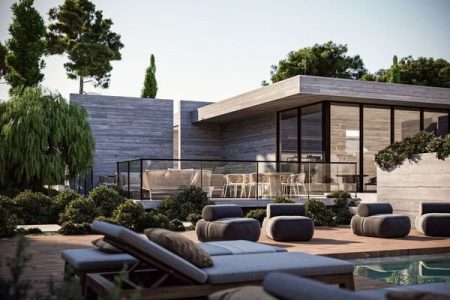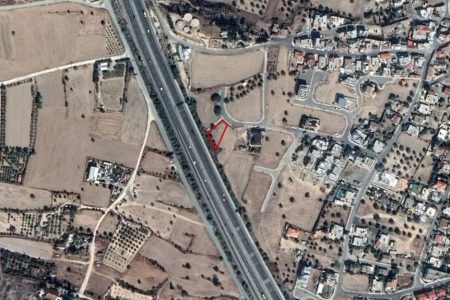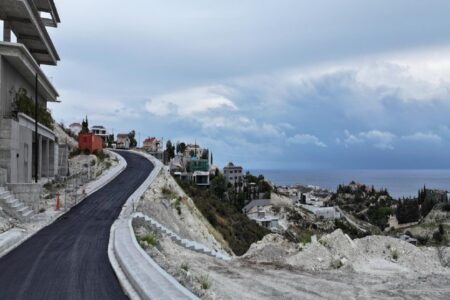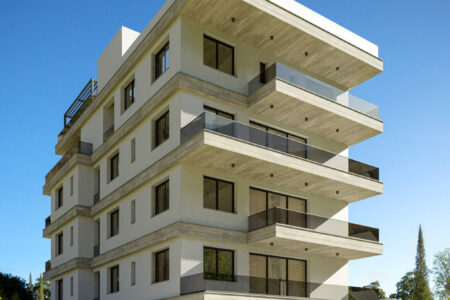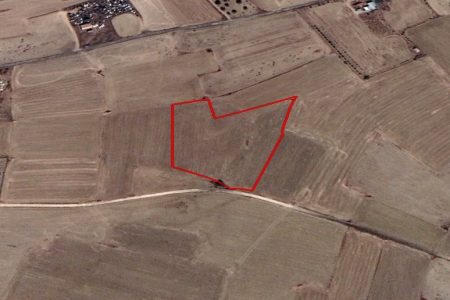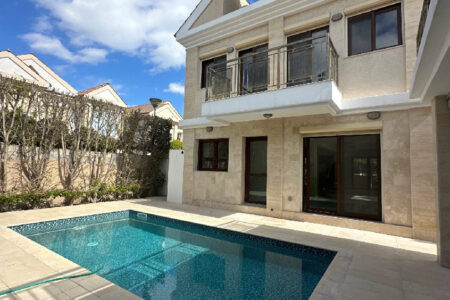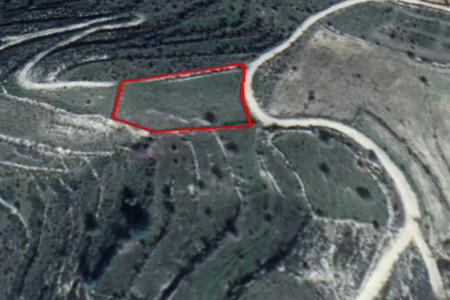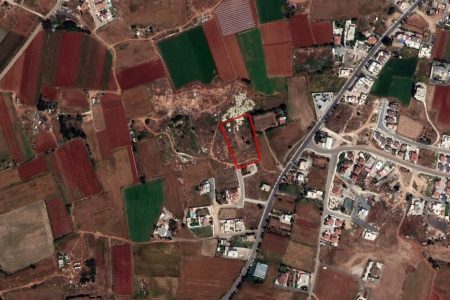
Purchasing land in Paphos in 2026 represents one of the most promising strategies for preserving and increasing capital in the Republic of Cyprus. While Limassol faces a shortage of available space and extreme prices, Paphos offers investors a diverse landscape—from the panoramic hills of Tala to the prestigious coastal areas of the Sea Caves. Infrastructure development, including port expansion and the construction of new educational campuses, makes land in this region a liquid asset, suitable for both private residences and commercial development projects.
Contents
Land classification and legal nuances
When analyzing market offers, you need to clearly distinguish between the two main types of land assets available in the Republic of Cyprus. Your future infrastructure costs and construction start dates will depend on this.
- Building Plot: A property that is completely ready for construction. All necessary utilities, including paved roads, sidewalks, water supply, and electrical systems, are already connected to the boundaries of such a plot.
- Field: An area that may be located in a residential zone but is not zoned as a subdivided plot. Purchasing a field in 2026 is advantageous, but requires additional investment in land surveying and public infrastructure, which can consume up to 15% of the land area.
Urban zoning and coefficients
The value of land in Paphos is determined not only by its area, but also by its development potential, which is reflected in the state zoning plan.
- Zone Ka (Residential): The most in-demand segment. For example, zone Ka9 in Paphos typically implies a building density of 40% , which is ideal for spacious villas. Higher-density zones, such as zone Ka7 (80%) , allow for the construction of small apartment buildings.
- Zone Ba (Commercial): Permits the construction of office and shopping centers. Rates here reach 120%–160% , making these plots the most expensive per square meter.
- Zone G (Agricultural): Has a minimum development coefficient (usually 10% ). Construction of a residential building on this land in 2026 is subject to strict restrictions on area and number of floors.
Price analysis by Paphos district (2026)
The table below shows average market prices for plots of land for individual residential construction with an area of approximately 600 square meters.
| District | Zone type | Building density | Average price (Euro) |
| Paphos City Center / Moutallos | Ka5 | 100% | 350,000 – 480,000 |
| Konia | Ka8 / Ka9 | 60% – 40% | 220,000 – 310,000 |
| Tala | Ka10 | 30% | 150,000 – 240,000 |
| Peyia (Sea Caves) | Ka11 | 20% – 25% | 550,000 – 900,000 |
| Geroskipou | Ka7 | 80% | 190,000 – 270,000 |
| Tsada | Ka10 | 30% | 130,000 – 210,000 |
Taxation of land transactions in 2026
The financial model for purchasing land in the Republic of Cyprus has undergone changes. In 2026, you should be guided by the following fiscal rules:
- VAT (VAT) 19%: Applies to the purchase of new land plots from developers. The preferential 5% rate does not apply to bare land; it is only available as part of a comprehensive contract for the construction of your first home.
- Transfer Fees: If the transaction is subject to VAT, this tax is €0 . If you purchase resale land without VAT, you pay a progressive tax, which will continue to be discounted by 50% in 2026 .
- Stamp Duty: A major benefit of 2026 is the complete abolition of stamp duty on real estate purchase and sale agreements. This simplifies the process of registering documents with the tax department and reduces associated costs.
Connecting communications
Once you have received the Title Deed and commenced construction work, you will need to enter into contracts with the Paphos utility services:
- Electricity (EAC)
- Water supply (Water Board Paphos)
Recommendations for choosing a site
When searching for land in the Republic of Cyprus in 2026, you need to conduct a thorough technical audit:
- Topographical survey: In areas like Tala or Peyia, plots often have significant slopes. This can increase the construction budget by €25,000–€40,000 due to the need to build retaining walls.
- Road Access: If you’re considering purchasing a “field,” make sure it has official, registered access to a public road. Otherwise, obtaining a planning permit will be impossible.
- Soil type: Some parts of Paphos contain limestone rocks, which make excavation work more expensive, or, conversely, soft soils, which require reinforced foundations.
Buying a plot of land in Paphos in 2026 is not only an opportunity to build your dream home in the Republic of Cyprus but also a means of long-term capital preservation. The abolition of stamp duty and the continued benefits of title deeds make this a favorable time to enter the land market.