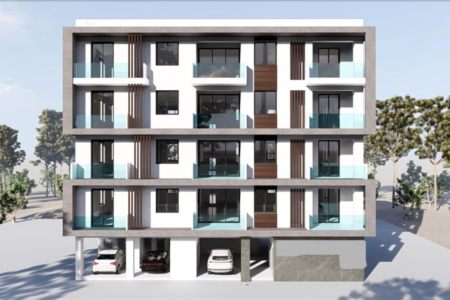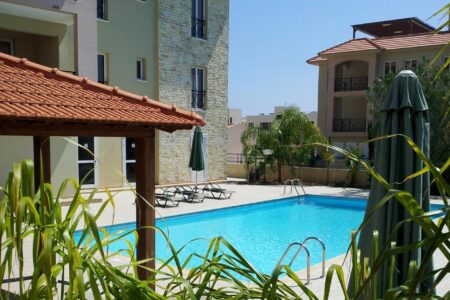
In 2026, the Cyprus real estate market is demonstrating maturity and a shift toward more sophisticated investment models. With prices stabilizing in Limassol and rapid growth in Larnaca, fractional ownership has become a key trend for wealthy expats and international investors. This tool allows investors to enter the ultra-luxury and commercial real estate segments with significantly less capital, sharing both maintenance costs and high rental yields with other investors.
Contents
The essence and mechanics of Fractional Ownership in 2026
Unlike a classic timeshare, fractional ownership implies actual ownership of a portion of the asset. As of 2026, this model is implemented in Cyprus in two main ways:
- Direct fractional ownership: Registration of multiple owners on one Title Deed with the shares clearly stated (e.g. 1/4 or 1/10).
- Shareholder model (SPV): The property is registered to a specially created company (Special Purpose Vehicle), and investors purchase shares in this company. This is the most popular method in 2026, as it simplifies the process of reselling shares without the need to transfer the title deed itself.
The main advantages of the model
- Low entry barrier: Opportunity to invest in an apartment worth €2,000,000 with a budget of €200,000 – €300,000.
- Diversification: Instead of purchasing one budget apartment, an investor can distribute capital between shares in different properties (an office in Nicosia, a villa in Paphos, a retail property in Larnaca).
- Professional Management: Fractional Ownership properties are typically managed by specialist companies, freeing owners from the day-to-day management of their properties.
A Comparison of Property Ownership Models in Cyprus in 2026
To make an informed decision, an investor needs to understand the differences between full ownership and purchasing a share.
| Parameter | Sole Ownership | Fractional ownership |
| Entry threshold | High (from 300,000 EUR for permanent residence) | Low (from 50,000 to 100,000 EUR) |
| Maintenance costs | 100% on the owner | Proportional to the share |
| Yield 2026 | 4 – 6% per annum | 6 – 9% per annum (due to the luxury segment) |
| Share liquidity | High (sale of the entire property) | Average (depending on the SPV structure) |
| Control | On your own or through a management company | Always through a professional management company |
| Right to permanent residence | Yes (for an investment of 300,000 EUR) | Only if the share is > 300,000 EUR |
2026 Tax Changes for Equity Investors
The 2026 tax reform introduced significant adjustments to the calculation of income from fractional ownership.
- Stamp Duty Elimination: From 2026, stamp duty on contracts will be completely eliminated, reducing transaction costs when purchasing shares.
- Special Defence Contribution (SDC): For Cyprus tax residents with non-domicile status, rental income from fractional ownership is now fully exempt from SDC (previously 17% of 75% of income).
- Corporate Tax: For SPV structures, the tax rate is 15%, which is in line with OECD global standards, however Cyprus retains effective deductions for depreciation and maintenance.
- Capital Gains Tax (CGT): When selling a share in a company that owns property, a 20% tax is now charged if the value of the property is more than 20% of the company’s assets (previously the threshold was 50%).
Legal risks and ways to minimize them
The main risk of Fractional Ownership lies in the relationships between co-owners. In 2026, high-quality projects will be governed by a detailed “Co-ownership Agreement,” which must include:
- Rules for exiting an investment: A clear algorithm for selling a share (right of first night for other participants).
- Schedule of use: If the property is residential, periods of personal use are specified (usually proportional to the share).
- Decision-making mechanism: How budgets for repairs or changes in management companies are approved.
- Default Protection: What happens if one of the participants stops paying their share of utility bills.
Promising locations for equity investment in 2026
In 2026, the focus of investors shifted from mass housing to specialized niches.
- Larnaca (Port and Marina): Thanks to the extensive port redevelopment, shares in commercial properties and branded residences here show the highest potential for capital growth (up to 15% per year).
- Limassol (Casino and Marina Zone): Investments in shares of luxury serviced apartments provide stable occupancy and high ADR (average daily rate).
- Paphos (Eco-Living & Health Resorts): The new trend for 2026 is fractional ownership in recreational complexes and wellness residences aimed at affluent European retirees.
FAQ: Frequently Asked Questions
Is it possible to obtain permanent residence in Cyprus by purchasing a share (Fractional Ownership)?
Yes, this is possible if your share in the investment project is at least €300,000 plus VAT. The property must be new (from the developer), and the funds must come from abroad. In this case, shared ownership is considered a joint investment.
How are rental profits distributed?
By 2026, most fractional ownership platforms use automated systems. The management company collects rent, deducts maintenance costs, taxes, and its commission (usually 10-15% of gross income), and then distributes the net profit to the owners’ bank accounts proportionate to their shares. Reporting is provided quarterly in digital form.
What happens if I want to sell my share before others?
In an SPV structure (through company shares), you can sell your shares to a third party at any time, unless prohibited by the charter. If you directly own a share in a Title Company, you will need the consent of the other co-owners or comply with the pre-emptive right procedure. In 2026, secondary marketplaces for the resale of such shares will be actively developing in Cyprus.
Is a co-owner liable for the debts of other owners?
If the investment is structured through a company (SPV), your liability is limited to the value of your share. The personal debts of other shareholders cannot be applied to the property itself. Direct ownership of a share in a title deed carries higher risks, so it’s crucial to have a professionally drafted legal agreement in place to protect the property from individual claims.
What is the minimum holding period for a share to make a profit?
Taking into account transaction costs and market dynamics in 2026, the optimal investment term in Fractional Ownership is 3 to 5 years. This allows one to cover entry costs and benefit from the asset’s market value growth. For passive income strategies (Rental Yield), the term can be unlimited.