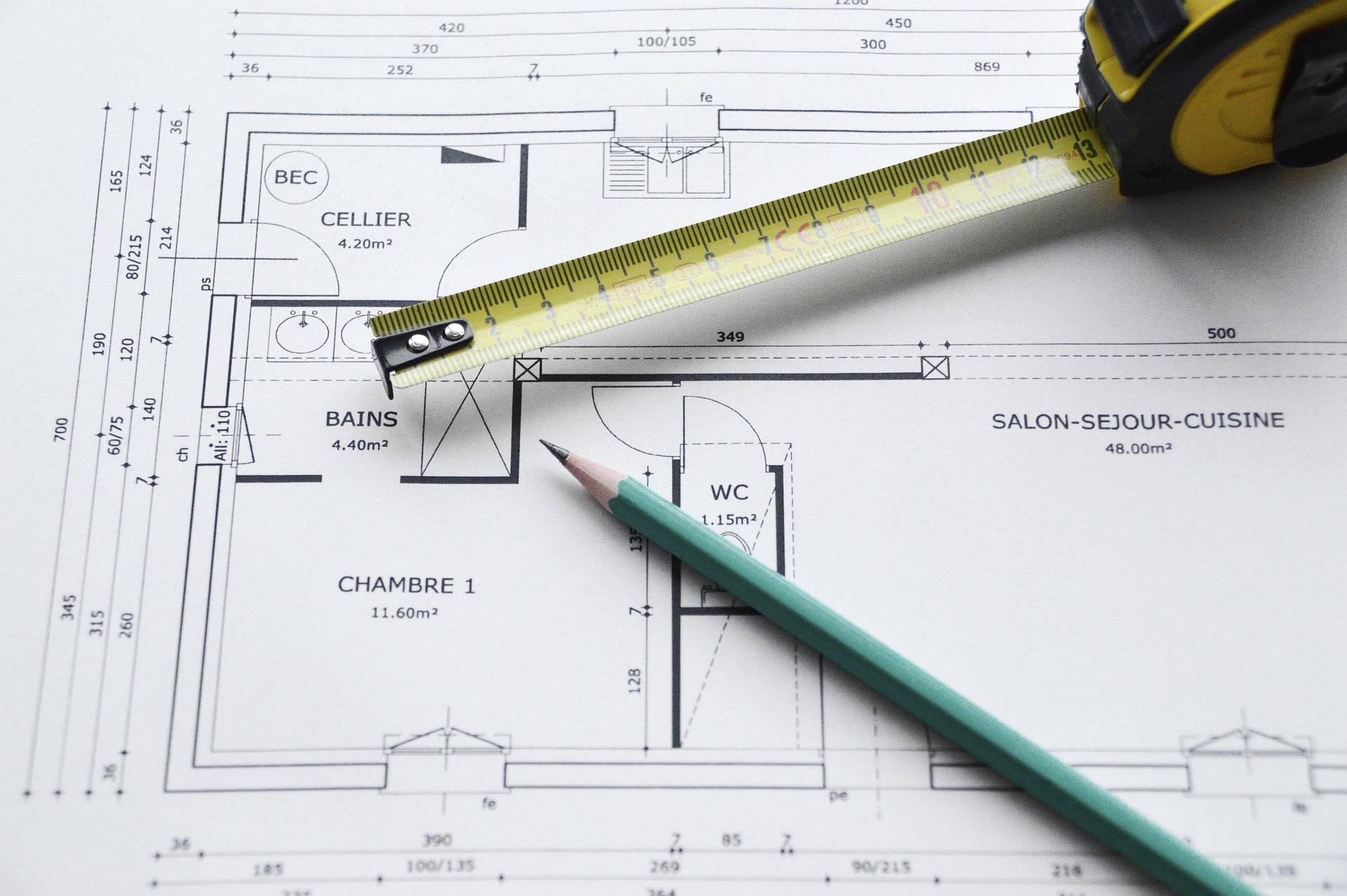
Building a home in Cyprus in 2026 is a process that requires not only financial investment but also strict adherence to bureaucratic procedures. On the island, it’s impossible to begin construction without a detailed approved project and technical permits. Given updated energy standards and tax caps, home design is now directly linked to tax optimization. To prevent your construction project from becoming a long-term project, it’s essential to strictly follow the legalization and oversight stages.
Contents
The main stages of obtaining permits
The process of legalizing construction in Cyprus consists of two key stages, which can take from 6 to 12 months.
- Town Planning Permit Άδεια ). This is a planning permit that confirms your project complies with the zoning regulations. The architect submits plans to the planning department, where building coefficients, setbacks from site boundaries, building height, and parking availability are verified. Without this document, no further progress can be made.
- Building Permit (Άδεια Οικοδομής). After receiving the urban planning permit, an application for a building permit is submitted. Technical details are checked here: seismic calculations (Cyprus is located in an active zone), electrical plans, water supply plans, and compliance with energy efficiency class “A.” Since 2026, requirements for thermal insulation and the presence of photovoltaic panels have become mandatory.
Selecting a project team
To implement the project, you’ll need to engage certified specialists. Skimping on engineers at the initial stage often leads to significant overpayments during operation.
- The architect is the project’s focal point. He or she not only designs the project but also coordinates the submission of all documents to government agencies.
- Civil Engineer. Responsible for the structural integrity and foundation of buildings. In Cyprus, this is critical due to the specific soil conditions and seismic activity.
- Quantity Surveyor (Estimator). A specialist who will prepare a detailed estimate (Bill of Quantities). This will help you avoid a situation where the contractor claims a lack of funds mid-construction.
- Must have the appropriate license category (from A to G, depending on the project scale). Verifying the contractor’s license is your insurance against poor quality work.
Budget and VAT calculation in 2026
When concluding a Construction Contract, you must take into account government limits to obtain a preferential VAT rate.
5% VAT application: Under the 2026 rules, you can pay 5% VAT instead of 19% on contractor services and materials if:
- The total cost of the entire project (land price + construction cost under the contract) does not exceed 475,000 euros .
- The total area of the house does not exceed 190 sq. m .
- The 5% tax exemption applies only to the first €350,000 of the purchase price. For amounts above this threshold (up to €475,000), the standard VAT rate of 19% is charged.
- If the final price exceeds €475,000 , you will lose your right to the benefit and the entire construction contract will be subject to VAT at 19%.
Average construction cost: In 2026, the cost of building a high-quality energy-efficient home (turnkey, excluding land) varies:
- Standard (class A): 1,800 – 2,200 euros per sq. m.
- Premium: 2,500 – 4,000+ euros per sq. m. m.
Technical supervision and completion of works
Quality control must be carried out at every stage of concrete pouring and utility installation.
Occupancy: Once your home is ready, the process doesn’t end with just moving in. You’ll need to obtain a Certificate of Final Approval.
- The architect submits an application to the municipality.
- Inspectors check the house to ensure it complies with approved plans.
- If there are any violations (for example, you added a room without permission or closed off the veranda), the certificate will not be issued.
- Only on the basis of this certificate will the Land Registry issue a separate Title Deed for the building. Without it, the house will be considered an illegal structure, making it impossible to legally sell or use as collateral.
Important changes in 2026
We remind you that, as of January 1, 2026, stamp duty has been completely abolished for contracts and document registration with the tax authorities . This simplifies the bureaucratic burden when signing contracts with developers and suppliers. Furthermore, the 50% discount on transfer fees for property registration remains valid if the transaction was not subject to VAT.
Building a home in Cyprus offers the opportunity to create a home that perfectly suits your needs, while maintaining strict compliance with tax limits and technical regulations. By choosing the right contractor and architect, you can stay within a budget of up to €475,000 and achieve a modern home with minimal maintenance costs.