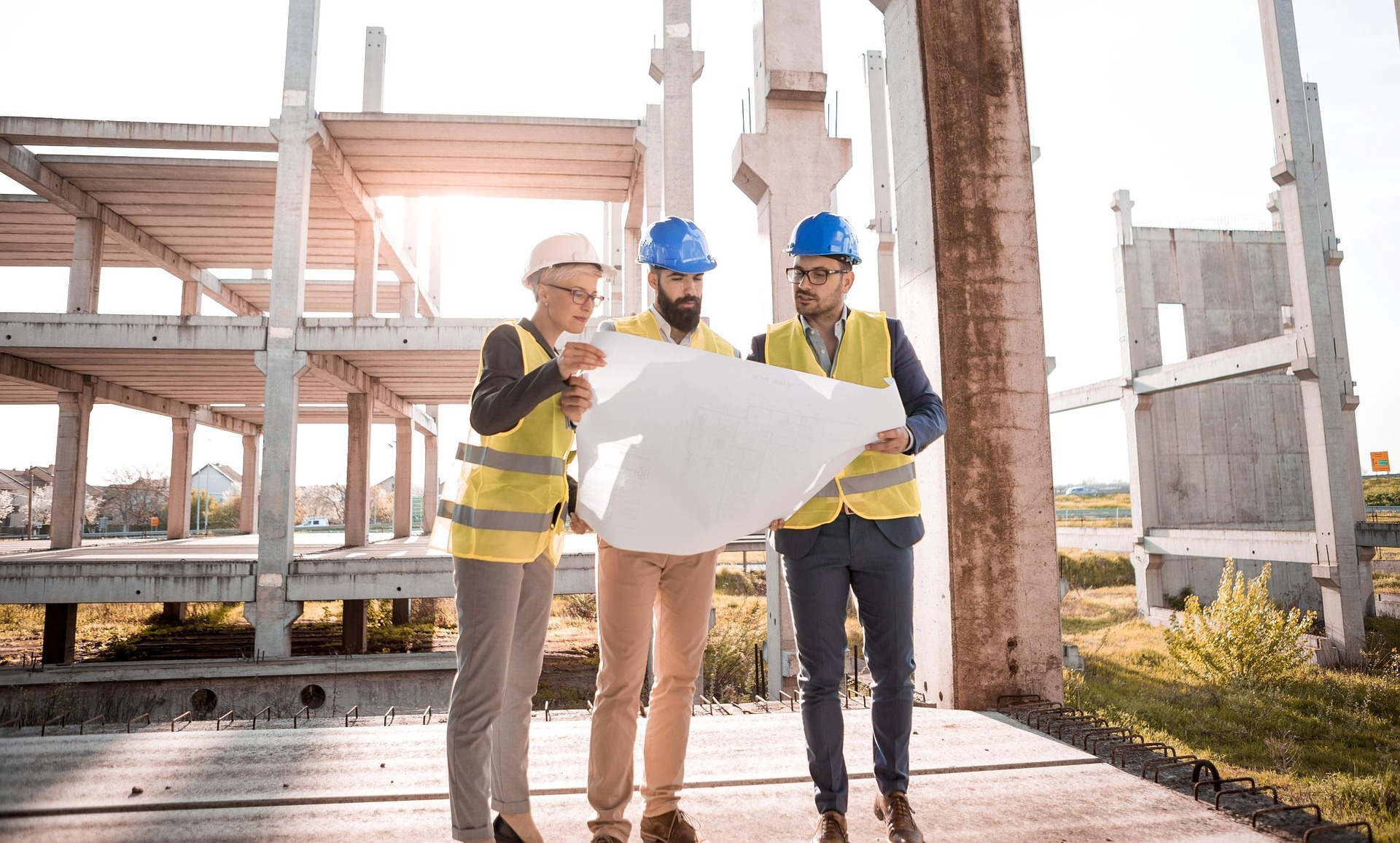
Purchasing a ready-made villa from a developer is a convenient and quick option, but more and more investors in Cyprus are opting for “Custom Build” projects. Creating a custom home not only allows for unique architectural solutions but also creates a property that’s fully tailored to the owner’s lifestyle, from the placement of every electrical outlet to the integration of specific automation systems. The current construction market offers every opportunity for this, from access to the talents of international architects to transparent licensing procedures. However, the journey from greenfield to housewarming requires a deep understanding of the island’s legal, technical, and financial nuances.
Contents
Stage one: selection and audit of the land plot
Construction begins not with the foundation, but with choosing the right land. In Cyprus, there’s a fundamental distinction between a “plot” (a plot with utilities and a road) and a “field” (agricultural land or land without infrastructure). An investment in a “field” may seem attractive in price, but the process of converting it into a building plot and connecting it to roads can take years and require significant investment.
Key characteristics of the area to be inspected:
- Development zone (Zoning): Each plot has a code (e.g. H1, Ka6) that determines its purpose (residential, commercial, tourist).
- Build density: The percentage of a lot’s area that can be converted into livable square meters. For example, on a 1,000 m² lot, a 60% build density ratio allows for the construction of a 600 m² house.
- Coverage: Determines the “building footprint” – the area of land that a building’s foundation can occupy.
- Storeys and Heights: Restrictions on the number of levels and maximum building height, which is critical for species conservation.
A thorough due diligence of the site should include verification of the absence of encumbrances, public road access, and a terrain analysis. Sloping plots in Limassol or Paphos offer stunning views but significantly increase construction costs due to the need for complex retaining walls and drainage systems.
Forming the project team: Architect and Consultants
Custom construction is a team effort. The first and foremost link is a licensed architect registered with ETEK (the Scientific and Technical Chamber of Cyprus). The architect acts as the “conductor” of the process, not only creating the aesthetics but also ensuring compliance with all government regulations.
In addition to the architect, the team includes:
- Structural Engineer: Calculates seismic resistance and strength of reinforced concrete frame.
- M&E Engineer: Designs electrical, VRV, plumbing, and smart home systems.
- Quantity Surveyor (QS): An independent estimator who prepares a detailed bill of quantities. This is a key figure for budget control: a QS helps avoid “unforeseen expenses” and evaluates construction contractors’ bids for appropriateness.
In today’s reality, a landscape designer plays a vital role, getting involved early on to integrate the home into the surrounding environment and designing recreation areas, a swimming pool, and an automatic irrigation system as a unified architectural ensemble.
Legal Labyrinth: Permits and Licenses
The construction process in Cyprus consists of two main stages. The first is obtaining a Town Planning Permit. At this stage, authorities verify the project’s compliance with zoning regulations, height limits, and the aesthetic appeal of the area. Thanks to the digital transformation of the public sector, document submission is now carried out through electronic platforms, reducing waiting times.
The second stage is the Building Permit. This is a more detailed document confirming the project’s compliance with technical regulations, fire safety standards, and energy efficiency. Only after receiving this permit is the contractor authorized to enter the site. It’s important to remember that any changes to the design during construction require re-approval, so it’s best to freeze architectural decisions before excavation begins.
Financial planning and tax benefits
The cost of building a turnkey individual villa in the current period starts from €2,500 – €3,500 per m2 for high-end properties and can be significantly higher when using exclusive materials.
The most important tax rules:
- 5% VAT: If this is your first home in Cyprus and will be used as your primary residence, you are entitled to a reduced VAT rate of 5% on the first 130 m² of living space (with a total area of no more than 190 m² and a value of up to €475,000). The standard rate of 19% applies to the remaining area and any excess price.
Selection of contractor and quality control
The construction tender is the most crucial stage after the design stage. QS sends a Bill of Quantities to several companies with the appropriate license category (Class A, B, or C, depending on the project scale). Choosing the cheapest bid is often a trap: a professional approach requires a detailed review of the contractor’s portfolio, visits to current construction sites, and verification of their financial stability.
A construction contract must be as detailed as possible. Mandatory clauses include a payment schedule linked to work stages, penalties for delays, and a retention money (usually 5% of the cost, paid to the contractor only one year after completion, provided no hidden defects are discovered).
Finalization and taking over
Once the house is completed, the process of obtaining a Certificate of Final Approval begins. This document confirms that the building was constructed strictly according to the design. Without it, it is impossible to obtain a separate title deed for the house and fully connect the property to the municipal grid at fixed rates.
Building a home in Cyprus yourself is a marathon that, if properly managed, rewards the owner with a property with the highest market value and impeccable comfort. Unlike standard villas, a custom project appreciates faster, as it is an exclusive product on the market. The key to success lies in investing time in pre-project preparation and hiring a team of professionals who will provide technical supervision at every stage—from the first trench to the final finishing of the façade with natural stone or high-tech panels. With this approach, your home will become not just a home, but a family home and protected capital in one of the most stable jurisdictions in the Mediterranean.