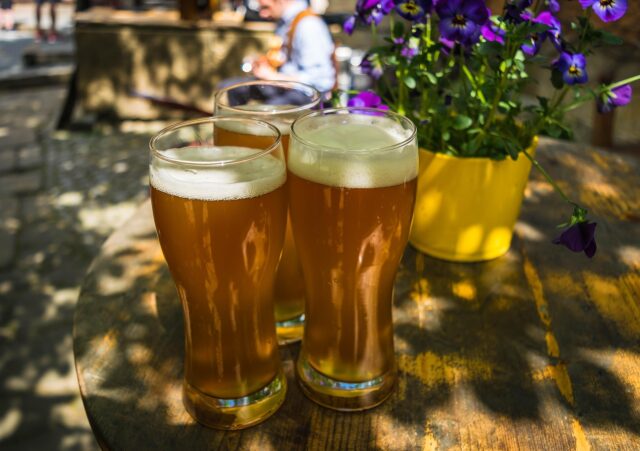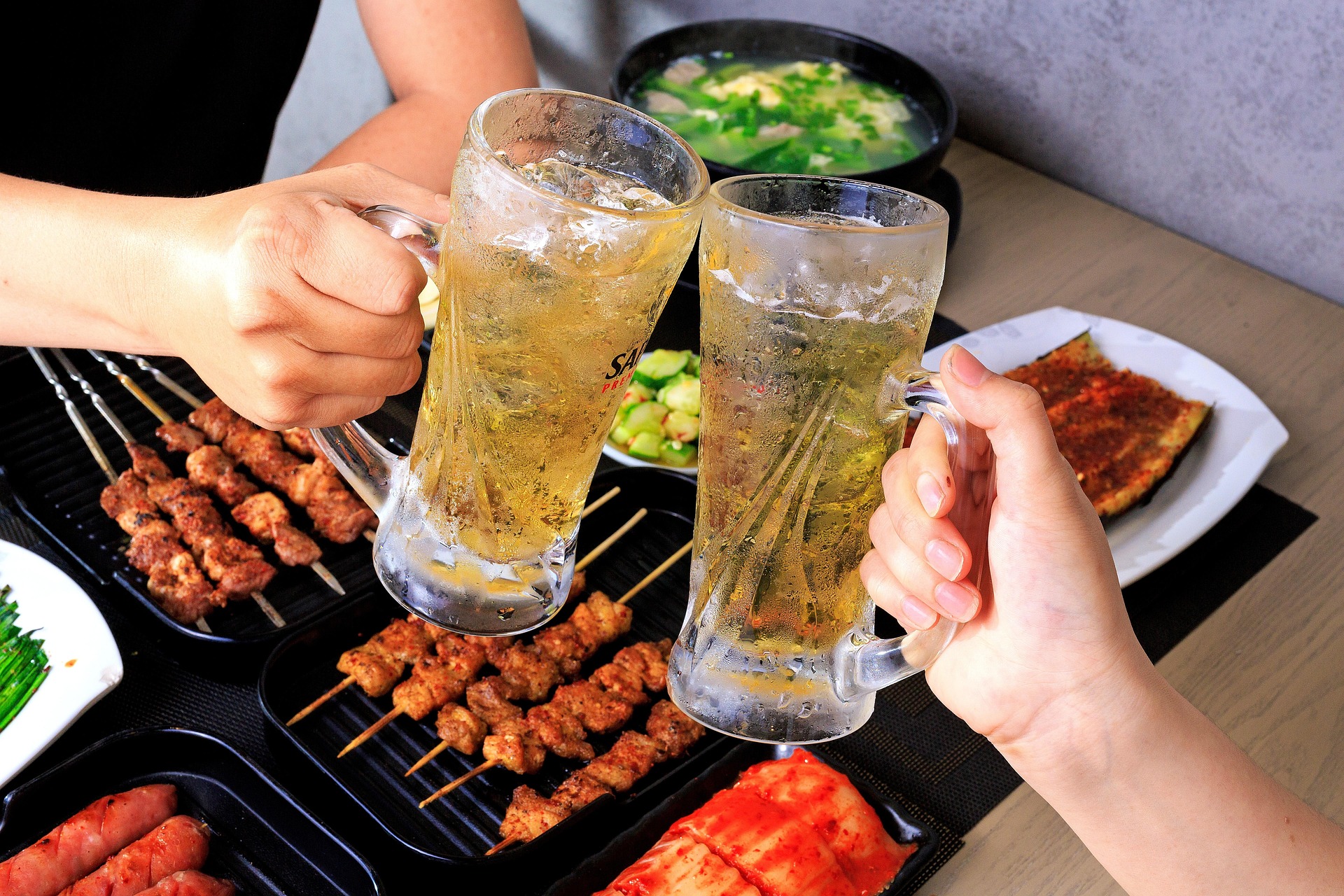
Beer in Cyprus occupies a significant place in the country’s gastronomic and tourist culture. Despite its strong winemaking traditions, beer is considered the most refreshing drink in the hot Mediterranean climate and is widely popular among both locals and tourists.
Beer in Cyprus has a long history, dating back to the Byzantine and Ottoman periods, when barley- and hop-based drinks were produced at home and in small private enterprises.
Today, Cypriot beer offers a diverse selection, from light lagers to dark stouts and aromatic ales. The country boasts major producers and numerous craft breweries offering exclusive recipes and seasonal varieties. Beer is consumed in bars and restaurants, as well as at home, playing a vital role in the island’s social and tourist life.
Contents
The history and development of brewing
Archaeological finds confirm that fermented grain drinks were produced in Cyprus as early as the Bronze Age. The history of beer in Cyprus dates back thousands of years. Archaeological finds indicate that the island’s inhabitants were already brewing beer in the Bronze Age —approximately 3,500 years ago. Discovered vessels and grain drying devices indicate that ancient Cypriots used their own recipes, including ingredients such as figs, for fermenting the drink. The earliest mentions of breweries date back to the 13th century BC in the ancient city of Kition (modern-day Larnaca). In ancient times, beer was second in popularity to wine, but retained its everyday importance.
However, in the 16th century, with the rise of the Ottoman Empire, alcohol production declined due to strict religious restrictions, leading to a temporary decline in the industry. The situation only changed dramatically in the 19th century, when the British, who ruled the island, founded the first modern breweries to supply the army. British soldiers and officials contributed to the development of industrial brewing, the establishment of factories, and the introduction of European quality standards. Since then, beer has once again become part of Cypriot culture.
Large manufacturers
Throughout the 20th century, the beer market was formed around several key brands.
The most famous national producer is KEO, founded in 1927. KEO beer is a pale pilsner -style lager, adapted to the hot climate, with a smooth flavor and moderate bitterness. Developed with the participation of Czech brewers, it has become the island’s national beverage symbol. The brand has become an integral part of everyday life and has won international awards, including a gold medal at the Brewing Competition. Industry International Awards. KEO Lager — a light lager with a soft taste and hop aroma, 4.5% ABV, sold in 330 ml and 500 ml bottles.
Carlsberg has been produced in Cyprus under license from a Danish company since 1967. The country was the first outside Denmark to begin production of this world-famous lager. Carlsberg and Tuborg light beers, adapted to local tastes, have an ABV of 4.5–5%. Carlsberg Cyprus has become firmly entrenched in local everyday culture and is perceived not as an imported product, but as a local one.
Leon is a historic brand that first appeared in 1937. After a break in production, it was revived in 2003 using the original recipe All Malt, which is based solely on barley malt, hops, and water. Leon beer is positioned as a classic malt lager without the use of malt substitutes, with a richer flavor and a denser body. This A local craft brand from Limassol, known for experimenting with flavours:
- Leon Pale Ale is a light ale with a fruity aftertaste, 4.8% ABV
- Leon IPA is more bitter and aromatic, with an ABV of 5.2%.
- Leon Stout is a dark stout with coffee and chocolate notes, 5.5% ABV.
These three brands have long been a mainstay of the Cypriot beer market, offering light, refreshing lagers that are ideal for the Mediterranean climate and local cuisine.
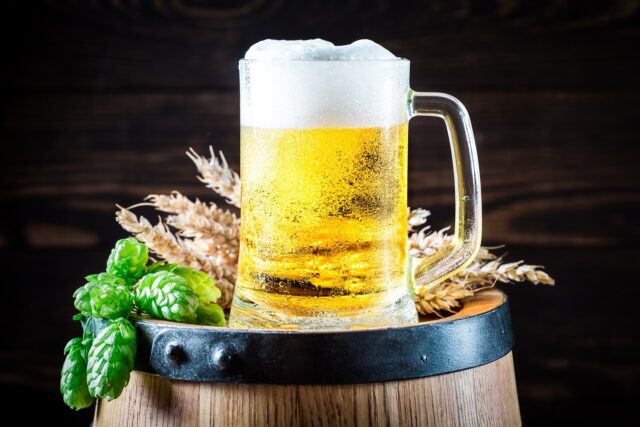
Craft breweries also release seasonal beers using honey, orange, lemon, cinnamon, or local mountain hops. For example, Voreia Beer in Paphos offers summer beers with citrusy undertones, while winter ales are rich with spicy and chocolatey aromas.
Types of beer in Cyprus
The most common style is pale lager, available in bottles and on draft. Lager — a light, refreshing beer, the most popular on the island. Perfect for beach holidays and tourist bars.
In tourist areas the selection is wider:
- wheat beer;
- amber ale;
- IPA (India Pale Ale ) is a more aromatic and bitter beer, available in craft bars in Limassol, Nicosia and Paphos.
- stouts and porters are dark varieties with caramel, coffee and chocolate notes, consumed in the cooler months.
Supermarkets offer both local brands and imported European beers. Specialty stores offer seasonal and limited-edition beers, where the addition of fruits, spices, local honey, herbs, or lemon makes the drink unique. Production volumes vary seasonally: in summer, demand doubles to triples, especially in tourist areas such as Ayia Napa, Protaras, and Paphos.
Non-alcoholic beer is also popular among drivers and those who prefer a lighter option. A special feature of the local market is the availability of limited edition craft beers, released only for tastings or festivals.
Imported and international varieties
International brands are also popular in Cyprus: Heineken, Budweiser, Stella Artois, Corona. They are widely available in supermarkets and bars and account for about 40% of the market, competing with locally produced beers. Tourists note that Cypriot light lagers are lighter and smoother in taste compared to imported counterparts, due to the climate and production traditions.
Craft beer
Since the early 2010s, craft brewing has been rapidly developing in Cyprus. Microbreweries emphasize experimental styles and the use of local ingredients: citrus, pomegranate, fig, carob, indigenous grape varieties, and herbs. Some beers are created at the intersection of brewing and winemaking, creating a unique regional style. Craft producers are experimenting with IPAs, APAs, and pales. ale, stout, porter, sour and wheat Beer. Releases are limited in volume, so a single variety may vary by season and batch, making each tasting unique.
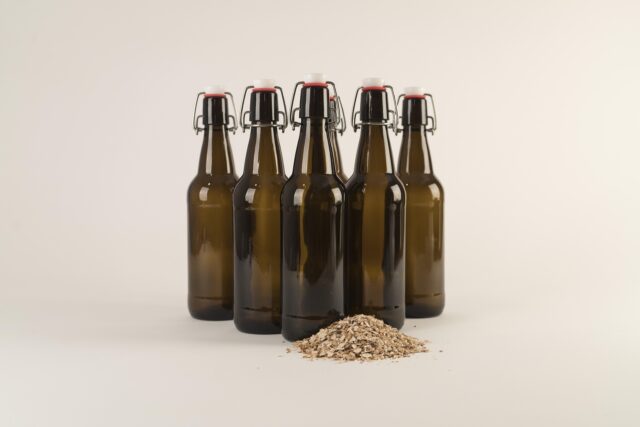
Famous craft breweries:
- Octo Microbrewery ( Sotira ) – known for experimental beers including Fig Ale and Grape Ale with local grapes.
- Beer Microbrewery (Nicosia) – focuses on classic European styles, arach IPAs and ales.
- Aphrodite’s Rock Brewing Company (Paphos) – offers English ales, IPAs and fruit ciders.
- Lofou Microbrewery – stands out for its pomegranate sours under the BES brand.
- Humor Beer and other young breweries are also participating in the local beer movement, offering IPAs, stouts, and weissbiers .
Where and how do people drink beer?
Beer in Cyprus is served as chilled as possible, especially in the summer months. It is traditionally paired with meze, souvlaki, souvla, fried fish, calamari, halloumi, and savory snacks. Bitter IPAs pair well with spicy dishes and smoked meats, stouts with chocolate-based desserts, and wheat beers with light salads and seafood. Tasting sets and flights are popular in tourist areas, allowing you to try several beers at once and appreciate the diversity of styles.
Beer in Cyprus is consumed in bars, pubs, and restaurants, as well as at home. The average price of a 330ml bottle in a supermarket is €1.50–€2.00, in bars it’s €3–€5.00, while craft beers can reach €6–€8.00 per 330ml bottle. Average per capita beer consumption remains consistently high, exceeding that of several other Mediterranean countries, due to tourism and a well-developed bar culture.
Festivals and events
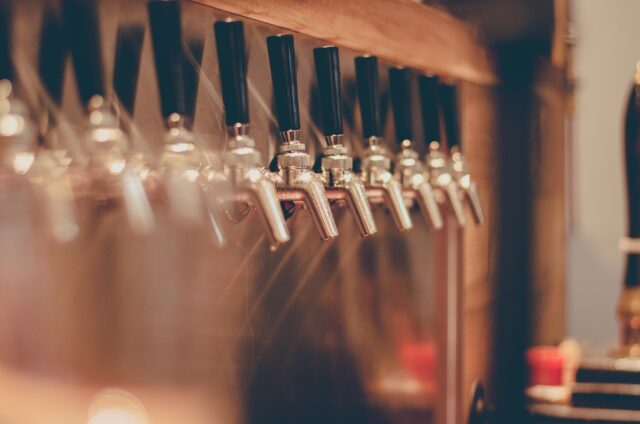
Beer festivals in Cyprus are becoming increasingly popular. Events such as Cyprus Craft Beer Festival, Paphos Beer Festival and Nicosia Beer Fests bring together local producers and beer enthusiasts across the island. They include tastings, masterclasses, and themed seminars, strengthening the beer community and helping small producers find an audience, while consumers discover new styles rarely found in traditional bars. At the same time, a network of bars with craft taps and detailed descriptions of the varieties, including strength, bitterness, and aroma, is developing. These festivals promote local ingredients and experimental styles, shaping the identity of Cypriot craft beer.
Practical recommendations
The development of the beer industry in Cyprus is closely linked to the tourism sector. Hotels, beach bars, and taverns generate a steady demand for local brands, as tourists value experiencing the local product. Hotel chains often feature KEO and Leon as the most recognizable brands, while craft beers are offered in specialized bars and gastropubs. Imports also play a significant role: German, Belgian, and British beers complement the selection and foster a culture of informed choice. Cypriot beer is characterized by its relatively low alcohol content and balanced flavor, making it well-suited to the climate and long-lasting consumption without feeling heavy.
For everyday use, supermarket ones are beneficial. Multipacks are common, while bars and beaches tend to have higher prices due to service and location. Draft beer is most often lager, while craft beer is sold in cans or bottles labeled with style and strength. When choosing craft beer, it’s important to consider the bottling date: for IPAs and APAs, freshness is critical to preserving the hop profile. For travel and picnics, small bottles or cans are preferable, as they cool quickly and are easy to transport.
Beer in Cyprus is more than just a beverage; it’s part of the island’s cultural and gastronomic heritage. It blends tradition and modern trends, industrial and craft production, local recipes and international influences. Tourists and locals alike can choose their favorite beers and enjoy tastings in bars, at festivals, or at home, pairing them with local cuisine. The diversity and affordability of beer make it an essential part of a Cyprus vacation, and the development of craft breweries opens up new opportunities for experimentation and expanding the flavor palette.
Light, dark, aromatic, or experimental—Cyprus’s beer caters to every taste and allows you to discover a new side of the island.