In a mature market, where traditional buying and selling cycles can be delayed due to rigorous bank due diligence, the barter deal format has gained a new lease of life. Exchanging one property for another isn’t simply a return to the roots of trading, but a strategic tool that allows investors to optimize their portfolios without having to withdraw significant amounts of liquidity from the banking system. In Cyprus, such transactions are governed by specific regulations, which are important to understand before signing a barter agreement.
Contents
The legal nature of the barter agreement
Under Cypriot law, a Contract of Exchange is virtually identical to two parallel sales and purchase transactions. The main difference is that the consideration for the asset is not monetary funds, but rather ownership rights to another asset. Such transactions often include a monetary surcharge ( equality money ) if the market value of the assets being exchanged is not equivalent.
It’s important to note that the Land Registry conducts an independent appraisal of both properties when registering a barter agreement. Even if the parties agree to consider the exchange as equivalent, the state will calculate taxes based on its market valuation on the date of the transaction registration. This eliminates the possibility of artificially undervaluing assets to minimize the tax burden.
Taxation on exchange: pitfalls
Many investors mistakenly believe that the absence of “real” money in a transaction exempts them from taxes. In reality, the situation is different. Each participant in a swap transaction is considered both a seller and a buyer.
A 20% capital gains tax is payable by each participant if the value of the property they are transferring has increased since its acquisition. The calculation is based on the difference between the current market value (determined by the Land Registry) and the purchase price, adjusted for inflation and renovation costs.
Transfer fees are also paid by both parties. However, there’s an important caveat: when exchanging property for property, the law often allows for a reduced total fee compared to two separate sales. The fee is calculated based on the value of each property, but submitting documents through an exchange form legally consolidates the process, simplifying title deed management.
Why Barter Deals Became Popular
The main driver of the growing popularity of swaps is the need for rapid asset rotation. For example, an investor owning several apartments in Paphos might swap them for a single commercial office in Limassol to consolidate management. This avoids the lengthy waiting period for the buyer’s bank to approve the mortgage and reduces the risk of the deal falling through during the compliance phase.
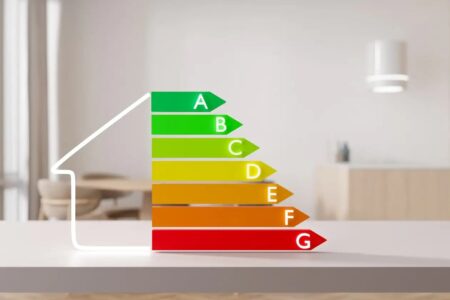
Furthermore, the trade-in format is actively used by developers. There have been frequent cases where the developer takes an investor’s existing property as partial payment for a new unit in a complex under construction (trade-in). This simplifies the client’s upgrade to Class A energy efficiency standards , and provides the developer with an asset for subsequent renovation or resale.
Valuation and verification of assets
Due diligence is a key stage of the transaction . When exchanging assets, the risks double, as the legal status of both properties must be verified. A mandatory requirement is to verify the absence of encumbrances (MEMO), tax liens, and outstanding utility bills on both assets. If one of the properties is pledged to a bank, the lender’s prior consent will be required to replace the collateral or fully repay the debt as part of the transaction.
Particular attention is paid to valuation. Since owners’ subjective perceptions of value often diverge from reality, engaging a licensed appraiser (valuer) is essential for determining the surcharge amount. Appraiser reports include not only the current price but also a projected liquidity of the property in the context of new infrastructure projects, such as port expansions or the construction of technology parks.