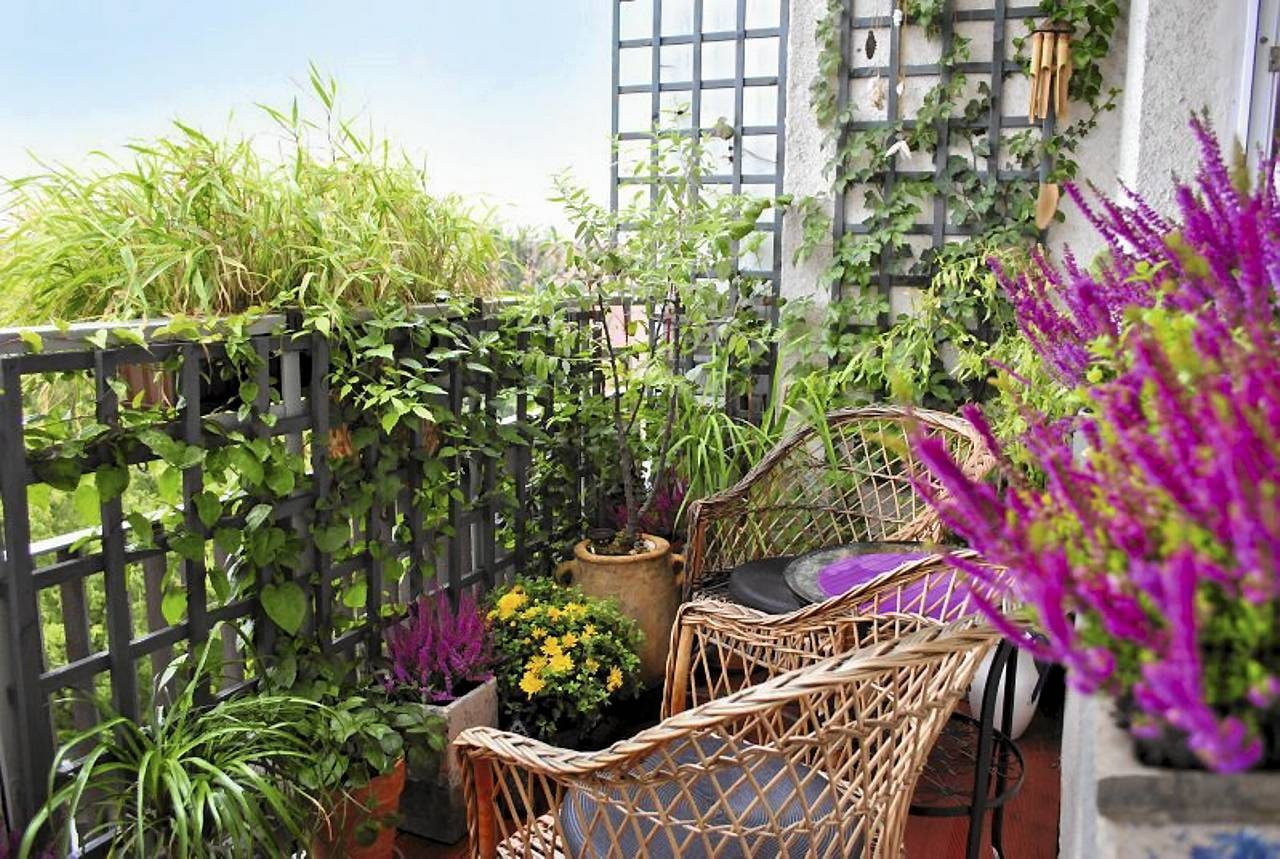
Creating a green oasis on a balcony or terrace in Cyprus is not only an aesthetic goal but also an important element in creating a comfortable microclimate in the living space. In 2026, when summer temperatures on the island regularly exceed 40 degrees Celsius, traditional European approaches to gardening prove ineffective. For wealthy property owners in Limassol, Paphos, and Nicosia, balcony gardening is an investment in quality of life and the eco-friendliness of their homes.
The specifics of the balcony microclimate in Cyprus
A balcony is a unique ecosystem where the impact of external factors is several times greater than in open ground. The main challenges for plants in 2026 are:
- Radiant Heating: Concrete and tile surfaces accumulate heat, creating an “oven” effect even after the sun goes down.
- Reflected light: Panoramic glazing in modern apartments reflects sunlight, increasing the intensity of radiation reaching the leaves.
- Wind load: On high floors of coastal residences, wind causes rapid evaporation of moisture (transpiration), which leads to rapid dehydration of the root system.
- Salt fog: Within a 1,000 metre radius of the sea, the air is saturated with salts, which settle on the foliage and can cause chemical burns in sensitive species.
Top 5 Favorite Plants for Sunny Balconies
In 2026, Cypriot landscape designers will favor species that combine high decorative qualities with biological resistance to drought (xerophytes).
Bougainvillea
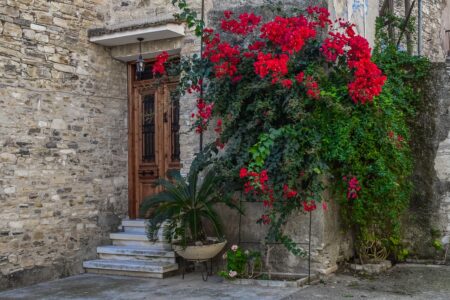
The queen of Cypriot gardens thrives in containers. This plant requires at least six hours of direct sunlight per day for abundant flowering. Dwarf varieties (such as Bambino) are popular in 2026; they maintain a compact form and don’t require extensive supports. Bougainvillea is virtually pest-resistant and easily tolerates short-term drying out of the substrate.
Jasmine (Jasminum officinale)
White jasmine not only creates a dense green screen that protects from neighbors’ views but also fills the terrace with its classic fragrance. It is heat-tolerant but requires regular watering. For southern-facing balconies, it’s recommended to choose varieties with leathery leaves, which retain moisture better.
Plumbago (Plumbago auriculata)
This plant, known for its sky-blue blooms, can survive the harshest conditions. It is resistant to strong winds and requires little fertilization. In 2026, Plumbago is often used to create “falling” gardens on balcony parapets.
Rosemary and Lavender
Mediterranean herbs are an ideal choice for those who value functionality. Rosemary (especially creeping varieties) is extremely hardy; its roots can withstand overheating in pots, and the essential oils released in the sun act as a natural air purifier.
Succulents and Aloe
For property owners who travel frequently, succulents remain the only option. Aloe vera species and various Echeveria varieties can go up to 14 days without watering, even in the height of summer, while maintaining a presentable appearance.
Technical characteristics of plants for a balcony garden
When choosing plants, it’s important to consider their life cycles and care requirements. The table below summarizes the most popular species for the Cyprus climate in 2026.
| Plant | Light-loving | Growth rate | Need for watering | Wind resistance |
| Bougainvillea | Extreme | High | Low | High |
| Jasmine | High | Average | Average | Average |
| Rosemary | High | Average | Minimum | High |
| Plumbago | Medium/High | Very high | Average | High |
| Aloe Vera | High | Low | Minimum | Maximum |
| Oleander (in a tub) | Maximum | High | Low | Maximum |
Innovative solutions for irrigation and substrates in 2026
In 2026, traditional watering with a watering can was deemed ineffective for balcony gardening. Modern apartments in Cyprus are equipped with integrated micro-drip irrigation systems with soil moisture sensors.
Hydrogel and agroperlite
When planting in containers, it’s essential to use hydrogel—special granules that accumulate water during watering and gradually release it to the roots. This allows for two to three times longer intervals between waterings. Agroperlite also provides essential aeration, preventing soil acidification during automatic watering.
Smart containers
In 2026, self-watering pots with a double bottom became the standard. They allow plant roots to draw moisture as needed, simulating natural conditions. For balconies with dark finishes, light-colored or terracotta pots are recommended, as dark plastic overheats in the sun to a critical 60 degrees Celsius, literally “cooking” the plant roots.
Rules for placement and protection
To achieve maximum energy efficiency in a building, plants should be placed strategically:
- Place tall tub plants (citrus, oleander) around the perimeter of the terrace to create a windbreak.
- Vertical gardening on the east wall will help reduce the temperature in the adjacent room by 3–4 degrees in the morning.
- Use pine bark or small pebbles to mulch the soil surface to prevent moisture from evaporating from the pots.
FAQ: Frequently Asked Questions
Why do the tips of the leaves of the plants on the balcony dry out, even if I water them regularly?
This is most often caused by low air humidity and dry, hot winds. Water evaporates from the leaf surface faster than the roots can deliver it. In 2026, to address this problem, misting systems were installed at luxury properties, increasing local humidity by 15–20% without overwatering the soil.
Is it possible to grow citrus fruits on a balcony?
Yes, Calamondin and Meyer lemons and limes thrive in large tubs. However, it’s important to remember that citrus trees don’t like sudden temperature changes or strong winds. During the winter months (January-February), they should be protected from northerly winds, and in the summer, they should be watered thoroughly every two days.
How to combat white plaque on leaves?
In Cyprus, this is often a sign of powdery mildew or sea salt deposits. If the deposits taste salty (typical for coastal areas), the plants should be sprayed with fresh water weekly in the evening. If it’s a fungal disease, modern biofungicides approved in the EU in 2026 should be used.
Should I repot plants from store-bought pots immediately after purchase?
Absolutely. Nursery plants are usually sold in a peat transport medium, which dries out instantly in the Cypriot sun, turning into an impermeable lump. For long-term survival on a balcony, repot the plant in a mixture of local garden soil, coconut fiber, and sand in a 2:1:1 ratio.
What balcony plants are safe for pets?
Many popular species, such as oleander, are highly toxic if ingested. For families with pets, choosing safer alternatives in 2026 is recommended: areca palm, spiderwort, bamboo, or most herbs (basil, rosemary). Always check the plant against the International Toxicity Guide before purchasing.