Anthesteria (Greek: Ανθεστήρια) is one of the most vibrant and joyful festivals in Cyprus, symbolizing the awakening of nature, the blossoming of life, and the unity of man with the earth. This ancient flower festival, originating in ancient Greece, has survived to this day as a spring celebration of beauty, creativity, and harmony. In Cyprus, Anthesteria is celebrated annually in May, when the island is covered in a colorful carpet of jasmine, anemones, geraniums, and wild daisies, and the streets are filled with the scent of spring and the sounds of music.
Contents
- 1 Historical roots of the holiday
- 2 Anthesteria in modern Cyprus
- 3 Larnaca and Paphos – Holidays in the Spirit of Tradition
- 4 Limassol is the capital of the flower festival.
- 5 Ayia Napa and Protaras – Anthesteria by the Sea
- 6 Symbolism and philosophy of the holiday
- 7 Traditional dishes and treats
- 8 Anthesteria as part of the cultural heritage of Cyprus
- 9 The Aesthetics and Spirit of Anthesteria
Historical roots of the holiday
The Anthesteria originated in Athens over two thousand years ago and was dedicated to Dionysus, the god of wine and fertility. In ancient times, it was a three-day spring festival that marked the end of winter and the beginning of a new agricultural cycle. People decorated their homes with flowers, sang hymns, held processions, and brought offerings of thanksgiving to the gods.
The name “Anthesteria” comes from the Greek word anthos, meaning “flower.” The festival symbolized not only the blossoming of nature but also the spiritual rebirth of humanity. Over time, the tradition spread to the Aegean islands and then to Cyprus, where it was revived and became part of the local cultural identity.
Anthesteria in modern Cyprus
Today, Anthesteria is one of the island’s most beloved spring festivals. It takes place in early May and combines elements of ancient Greek heritage, Cypriot folklore, and contemporary street culture. The main celebrations take place in Limassol, Larnaca, Paphos, Ayia Napa, and Protaras, but each city has its own unique twist.
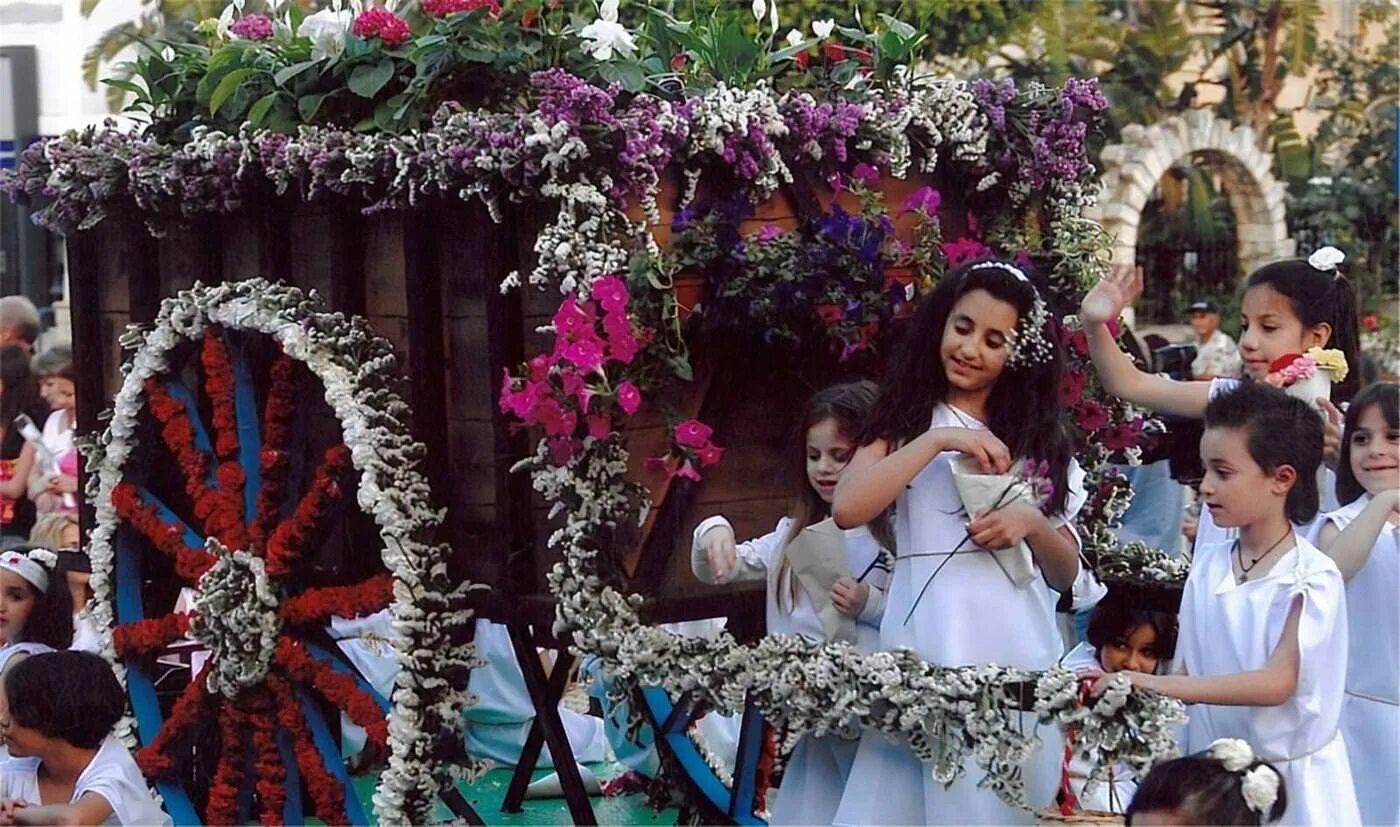
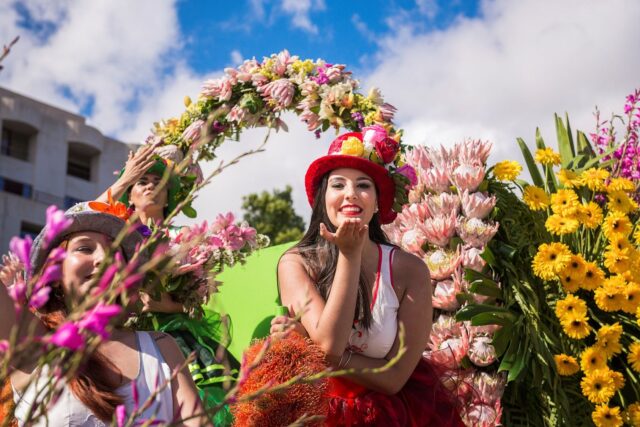
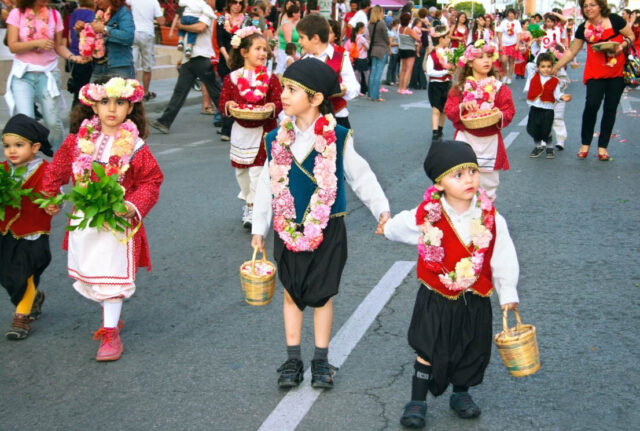
The main event is the flower parade, during which the streets are transformed into a living garden. Residents decorate their homes, cars, and boats with garlands of fresh flowers. Floats decorated with bouquets, symbols of spring, and mythological scenes pass along the embankments to the music of orchestras. The atmosphere is reminiscent of a carnival, but with an emphasis on nature and the rebirth of life.
Larnaca and Paphos – Holidays in the Spirit of Tradition
In Larnaca, the Anthesteria festival takes place along Finnikoudes, the famous palm-lined promenade. The main focus is on family activities and plant exhibitions. Children participate in flower arrangement and painting competitions, and in the evening, local bands perform musically in the amphitheater.
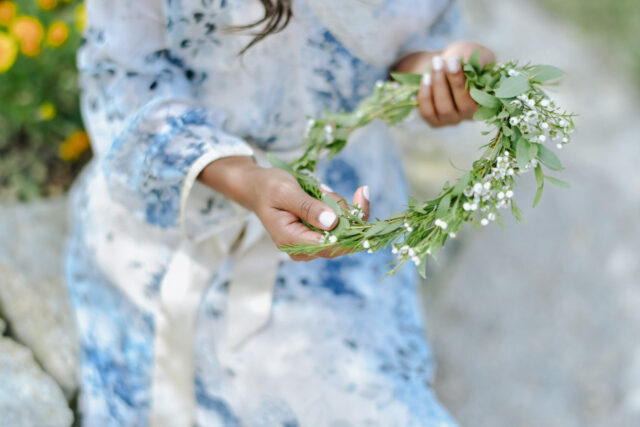
In Paphos, the festival is more intimate and folkloric in nature. There are fairs, craft exhibitions, and tastings of honey, olive oil, and Cypriot sweets. Parades wind through the narrow streets of the old town, decorated with wreaths of wildflowers. Locals traditionally give each other bouquets of daisies and lilies—symbols of friendship and happiness.
Limassol is the capital of the flower festival.
Limassol is considered the main center of the Anthesteria celebrations. The festival takes place on the seafront promenade, where dozens of flower floats are set up. The arrangements are created by artists, florists, and art students. Each year, a theme is chosen, ranging from “Flowers of Cyprus” to “Breath of Spring.”
The procession is accompanied by musical groups, dance ensembles, and school groups dressed as nymphs, shepherds, and ancient gods. In the evening, concerts, theatrical performances, and floral art exhibitions are held.
Flower markets are opening in Limassol’s central square, where you can buy plants, seeds, decorative pots, and handmade souvenirs. Floristry workshops and traditional drink tastings are held in parks.
Ayia Napa and Protaras – Anthesteria by the Sea
On the island’s east coast, the festival has taken on a resort-like feel. In Ayia Napa, the procession winds along the main street to the port, where the floral throne of Dionysus stands. Here, tourists and locals join together in dances, competitions, and workshops.
In Protaras, the celebration turns into a true seaside festival, with an open-air concert, an ornamental plant exhibition, and an evening fireworks display. Charity fairs dedicated to environmental protection and the preservation of Cyprus’s flora are held in parks and hotels.

Symbolism and philosophy of the holiday
The Anthesteria in Cyprus is not only a flower festival but also a deeply symbolic ritual reflecting the ancient idea of the unity of man and nature. Each element has a special meaning:
- Flowers are a symbol of rebirth, purity and beauty of the world;
- Wine is a reminder of Dionysus and the joy of life;
- Green branches are a sign of prosperity and health;
- Songs and dances are an expression of gratitude to the earth for its fertility.
Many Cypriots view the festival as an opportunity to express their respect for nature. Schools and organizations organize tree planting and park cleanup events. Thus, Anthesteria combines cultural heritage and environmental education.
Traditional dishes and treats
During the festival, it’s common in Cyprus to prepare light spring dishes: green salads, roasted vegetables, halloumi cheese, fresh bread, and homemade wine. At fairs, they serve komandaria, a traditional Cypriot dessert wine, as well as jasmine lemonade and pomegranate and hibiscus syrups.
Family feasts feature seasonal vegetable dishes: artichokes, beans, spinach with eggs, fresh herbs, and herb pies. The food symbolizes the simplicity and fertility of the earth, and the feast is a gratitude to nature for its gifts.
Anthesteria as part of the cultural heritage of Cyprus
The Flower Festival has long been an integral part of Cypriot culture. It unites generations and tourists, creating an atmosphere of joy and beauty. In recent years, Anthesteria has gained international recognition and attracts visitors from all over the world, especially those interested in ecology, art, and Mediterranean traditions.
The festival also promotes domestic tourism—many Cypriots travel from other cities specifically to participate in the parade or visit the flower exhibitions. For children, this festival is a lesson in respect for nature and aesthetic appreciation.
The Aesthetics and Spirit of Anthesteria
Anthesteria is perceived as a celebration of light and beauty. Flowers, a symbol of life, unite people regardless of age or origin. On this day, Cypriots experience a special sense of harmony: the island seems to come alive under the bright sun, and the sea reflects a palette of spring hues.
This holiday reminds us that the beauty of nature is not a luxury, but a part of everyday life that must be preserved and passed on to future generations.
Anthesteria in Cyprus is a celebration that blends ancient Greek tradition with modern culture. It’s a time when the island blossoms in every sense—naturally, spiritually, and in human relationships. The flower festival symbolizes joy, inspiration, and gratitude for life, transforming Cyprus into a Mediterranean spring garden.