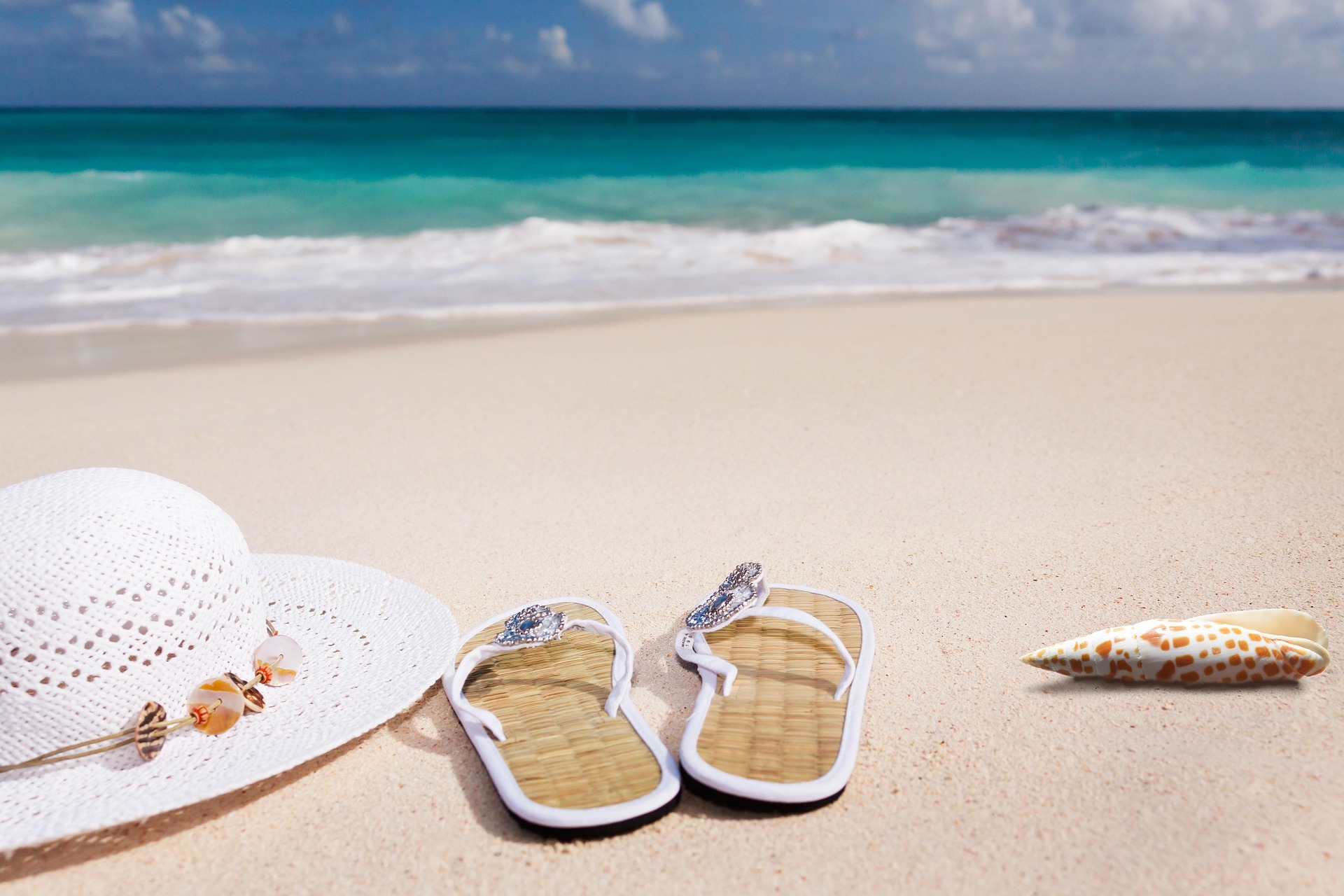
Cyprus has long established itself as one of the safest and most comfortable Mediterranean beach destinations. Every year, dozens of its beaches are awarded the international Blue Flag, a symbol of high safety, water quality, and amenities. This award is granted by the Foundation for Environmental Education (FEE) only to coastal areas that meet strict standards across four criteria: water quality, ecology, organization, and safety. In 2025, Cyprus once again confirmed its status, with over seventy beaches receiving this prestigious label.
Contents
What does the Blue Flag award mean?
Blue Flag program Flag “), organized by the Foundation for Environmental Beach Education (FEE), which operates in over 50 countries, evaluates beaches based on 33 criteria. These include seawater quality, the presence of lifeguards and sanitary zones, accessibility for people with disabilities, information boards about the state of the environment, and the cleanliness of the sand and infrastructure.
This flag can only be awarded after an annual inspection. If the parameters deteriorate, the award is revoked. Therefore, beaches bearing this label are considered the safest and most well-maintained in Cyprus.
Choosing a Blue Flag beach provides additional guarantees of comfort and safety. This is especially beneficial for families with children and those who value infrastructure and cleanliness. These beaches are also often located in areas with well-developed tourist infrastructure, including hotels, cafes, and water sports.
It’s worth keeping in mind that a flag doesn’t guarantee the absence of a storm or other natural hazards—it’s always a good idea to check local conditions.
Cyprus is the region’s leader in the number of Blue Flags
Despite its compact size, Cyprus consistently ranks among the top five European countries with the largest number of Blue Beaches. Flag, in relation to the length of the coastline. This is the result of a multi-year program to protect coastal zones and develop infrastructure.
Beaches in almost all resort areas of the island are certified: Ayia Napa, Protaras, Larnaca, Limassol, Paphos, and Polis.
Ayia Napa is a flagship of cleanliness and service
Ayia Napa annually leads the way in the number of awarded beaches.
Among them:
- Nissi Beach is the island’s most famous beach, distinguished by its white sand and comfortable, gently sloping entry into the water.
- MacronissosBeach is a wide bay with crystal clear water and developed infrastructure.
- Landa Beach is a quiet alternative to Nissi Beach, popular with families with children.
- Greco Bay and Vathia Gonia Beach – areas with soft sand and equipment for diving and snorkeling.
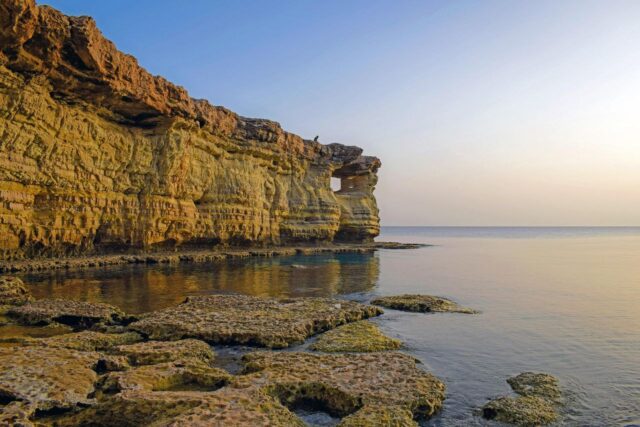
All Ayia Napa beaches are equipped with toilets, showers, lifeguard stations, sun loungers, and parking.
Protaras is an ideal choice for a family holiday
On the east coast of Cyprus, near Ayia Napa, lies the resort of Protaras, known as the “city of sun and sand.”
Local beaches awarded the Blue Flag include:
- Fig Tree Bay is one of the most beautiful beaches in Europe, with clear water and a view of a small island.
- PerneraBeach is a comfortable city beach with soft sand and a calm sea.
- KonnosBay is a secluded bay near Cape Greco, popular with diving enthusiasts.
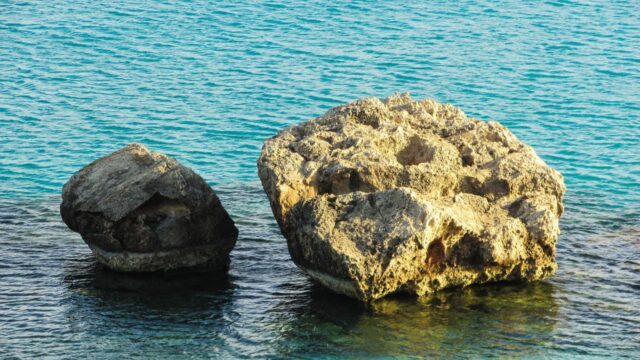
These beaches are famous for their mild climate, easy access to the water, and safe depth, making them ideal for families with children.
Larnaca – the harmony of the city and the sea
In Larnaca, the Blue Flag has been awarded to both the central and suburban beaches, distinguished by their combination of urban infrastructure and natural beauty.
These include:
- Finikoudes Beach is a central promenade with palm trees, cafes and a flat sandy shore.
- Mackenzie Beach is a popular beach among locals next to the airport runway where you can watch planes.
- Castella Beach and Oroklini Beach – clean and spacious swimming areas for those seeking peace and quiet.
Showers, changing rooms, and bike paths are located along the coastline, making your stay as comfortable as possible.
Limassol – modern beaches with comfort
Limassol’s beaches are regularly certified and are renowned for their high level of service.
Among the recognized areas are:
- Dasoudi Beach is a well-maintained area with a eucalyptus alley and free parking.
- AktiOlympion Beach is a city beach with volleyball courts, cafes, and rental shops.
- Governors Beach and ArmoniaBeaches are popular places for local residents to relax.
- Lady’s Mile Beach is a long sandy beach next to the port, ideal for walking.
Limassol’s beaches are renowned for their stable water quality and well-developed infrastructure.
Paphos – a combination of history and nature
On the west coast of Cyprus, the Blue Flag is awarded to the beaches of Paphos and its surrounding areas.
The main ones are:
- AlykesBeach is the central city beach next to the archaeological park.
- Lighthouse Beach – a beach near the lighthouse, popular among tourists and divers.
- Coral Bay is one of the most picturesque sandy beaches in Cyprus, surrounded by cliffs.
- Vrysoudia Beach and Faros Beach – safe and well-maintained areas with crystal clear water.
Paphos is famous for the harmony of natural landscapes and ancient architecture, which makes swimming here especially atmospheric.
Polis and Latchi – a protected coastline
In the northwest of the island, in the area of Polis, there are beaches that have been awarded for their ecological cleanliness.
- Latchi Beach is a popular beach near the fishing port with crystal clear water.
- PolisBeach – a quiet area with small pebbles and views of the Troodos Mountains.
These beaches are part of the Akamas Nature Reserve, so their condition is strictly monitored. They are ideal for those seeking a relaxing holiday and unspoiled nature.
General standards of quality and ecology
All Blue Flag beaches in Cyprus are required to adhere to uniform standards:
- daily cleaning of the coastline and water;
- availability of rescuers and medical centers;
- accessibility for people with disabilities;
- safe swimming areas delimited by buoys;
- waste sorting and environmental education programs.
Furthermore, each municipality is required to conduct regular laboratory analysis of seawater and publish the results.
The best time to visit the beaches
The swimming season in Cyprus lasts from April to November. Water temperatures reach 27°C in summer, and in October they rarely drop below 23°C. In May and September, the beaches are less crowded but fully equipped.

The environmental mission of the program
The Blue Flag award is not just a mark of quality but also a tool for fostering environmental awareness. It encourages local authorities to keep the coast clean and tourists to preserve the island’s natural environment. Cyprus annually improves service standards, developing waste sorting points, energy-efficient lighting, and accessibility for all visitors.
Practical advice
- When planning a vacation in Cyprus, it’s helpful to check the current list of Blue Flag beaches—official Cyprus websites publish updates.
- If accessibility for people with disabilities is important, pay attention to the mention of “ facilities” for the handicapped » in the beach description.
- Beaches with flags are often popular—it’s worth arriving early, especially during high season, to secure the best spot.
- Keep in mind that some beaches may be busier and more active, while others are more laid-back. Choose a beach that suits your vacation style.
Cyprus is an island where ecology and comfort are perfectly combined. Blue Flag-awarded beaches confirm this—crystal-clear water, safe swimming, and modern infrastructure make your vacation as enjoyable as possible. Whether you choose Ayia Napa, Protaras, Limassol, or Polis, the quality of your vacation remains consistently high.